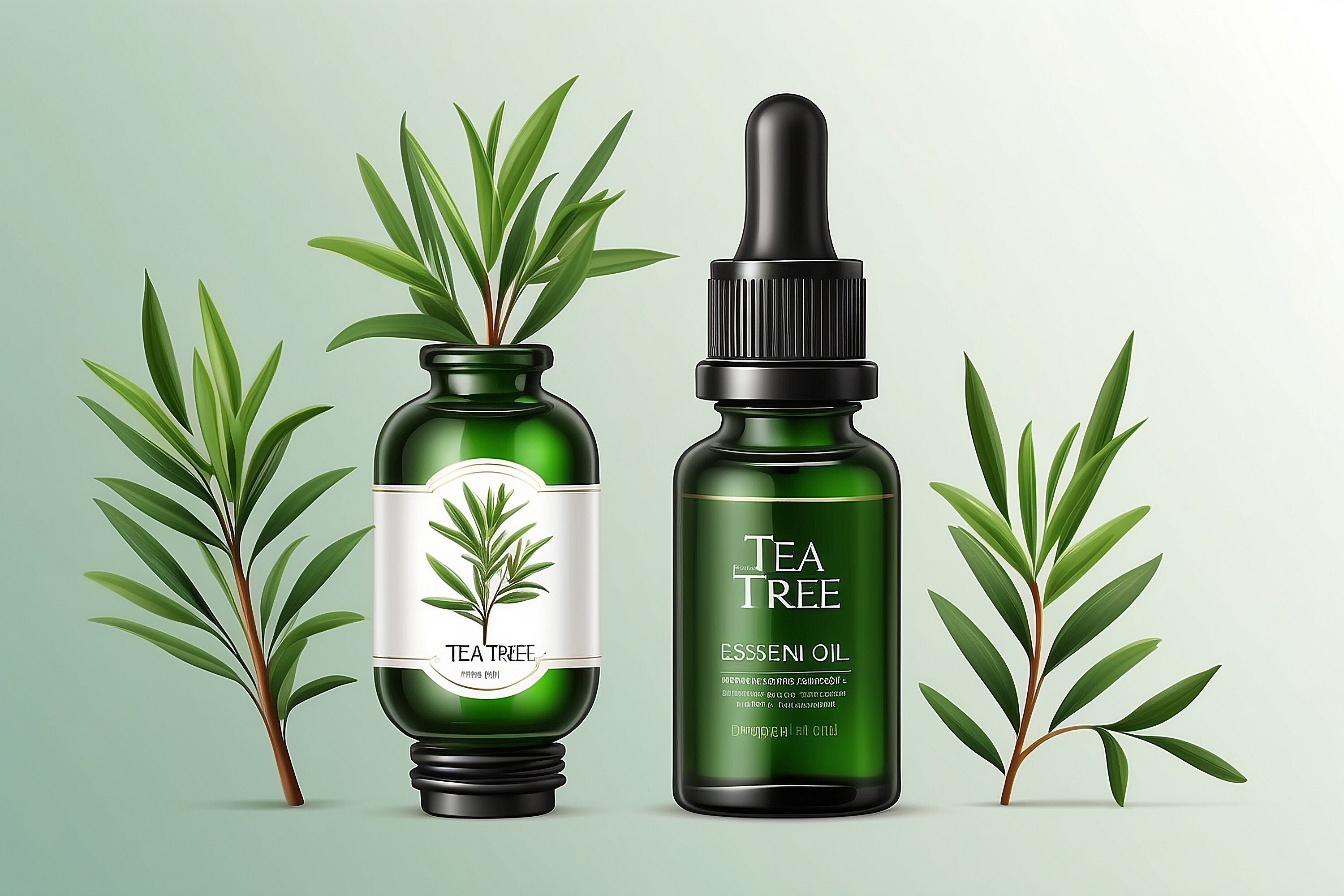
Buying tea tree oil in bulk requires more than choosing the strongest-smelling drum or accepting an “all grade” label. You will be able to verify botanical identity, interpret terpene data, compare certificates with independent testing, and separate genuine distillation from local blending or repacking.
Key takeaways
- Require Melaleuca alternifolia oil with a verified terpinen-4-ol profile.
- Request GC-MS, certificate of analysis, SDS, and batch traceability documents.
- Match purity controls and testing to cosmetic, pharmaceutical, or industrial use.
- Compare delivered cost using assay, packaging, freight, and rejected-lot risk.
What genuine tea tree oil is and which terpene profile to require
Genuine tea tree oil is the undiluted volatile oil steam-distilled from the leaves and terminal branches of Melaleuca alternifolia. It is not tea seed oil, cajeput, niaouli, eucalyptus, neem oil, or a bottle diluted with a carrier oil.
Ask whether the Ahmedabad site performs distillation or only imports, blends, filters, and repacks finished oil; record feedstock origin separately from processing and dispatch locations.
Require a lot-specific GC-MS report checked against ISO 4730:2017, not an undated claim that the oil is “ISO standard.” The profile should include:
- Terpinen-4-ol: 35–48%
- Gamma-terpinene: 14–28%
- Alpha-terpinene: 6–12%
- 1,8-Cineole: within the applicable ISO limit
- Supporting peaks, including p-cymene, terpinolene, alpha-terpineol, and alpha-pinene
High 1,8-cineole, an unusual p-cymene result, missing minor peaks, or a profile outside the standard warrants investigation. Terpinen-4-ol alone does not prove authenticity because adulterated oils can be adjusted to hit one marker.
| Material | Source or process | Buyer decision |
|---|---|---|
| Distilled tea tree essential oil | Melaleuca alternifolia leaves and terminal branches; steam-distilled | Accept only with botanical identity and lot GC-MS |
| Diluted preparation | Tea tree oil mixed with a carrier oil | Reject for an undiluted oil specification |
| Reconstructed or substituted oil | Added isolates, fragrance materials, or another Melaleuca species | Do not purchase as genuine distilled oil |
A credible tea tree essential oil manufacturer can provide the botanical name, plant part, extraction method, batch number, country of origin, and matching certificate of analysis before quotation. That evidence matters more than the phrase tea tree oil manufacture.
The specification and testing documents that approve a bulk lot
Do not release a shipment until the supplier provides a lot-specific certificate of analysis (CoA), not a generic product sheet. The document must identify Melaleuca alternifolia, plant part, steam-distillation process, country of origin, batch number, manufacture date, shelf life, storage conditions, and the agreed chemotype or terpene profile.
Request these traceability fields with every approval pack:
- Specification number and applicable ISO 4730:2017 edition
- Drum quantity, filling date, and seal or container identification
- Laboratory name, test date, method, and analyst or report reference
- Retention-sample identification and rejected-lot replacement terms
| Test or document | Result to demand | What it exposes |
|---|---|---|
| Appearance and odour | Clear to specified colour; characteristic odour; recorded against the approved reference sample | Oxidation, contamination, or an off-profile blend |
| Relative density | Numeric result at the stated temperature and method | Dilution or inconsistent composition |
| Refractive index | Numeric result at the stated temperature | Adulteration or batch variation |
| Optical rotation | Result with temperature and method, where applicable | Identity or compositional deviation |
| GC-FID or GC-MS | Chromatogram showing retention times or library matches, terpinen-4-ol, 1,8-cineole, other principal terpene percentages, and method | Cineole-rich material, added terpenes, or a non-authentic oil |
For sensitive applications, add pesticide residues, heavy metals, residual solvents, microbial limits, peroxide value, and nonvolatile residue. Approve the bulk tea tree oil only after matching these results to the agreed specification and examining a sealed retention sample. A strong smell alone proves nothing.
How application grade changes the documents and purity controls
The end use determines which documents matter and how tightly you control composition. The same bulk tea tree oil cannot be approved for every finished-product category simply because it is natural.
| Application | Documents to request | Purity and safety control |
|---|---|---|
| Cosmetics | Current SDS, ingredient statement, allergen declaration, and IFRA-use information where fragrance exposure applies | Check the finished oil’s terpene profile and set limits for oxidation markers and sensitising constituents |
| Personal care | SDS, allergen declaration, ingredient statement, and intended-use concentration | Review undiluted skin-irritation risk; require a defined dilution and finished-product compatibility check |
| Household products | SDS, hazard classification, technical data sheet, and fragrance or cleaning-use specification | Control odour, colour, stability, and worker exposure; do not apply cosmetic assumptions to surface cleaners |
| Aromatherapy | SDS, batch COA, botanical identity, dilution instructions, and allergen information | State whether use is inhalation or diluted topical use; never approve ingestion because the product is natural |
| Industrial manufacture | End-product description, agreed specification, SDS, COA, and regulatory documents for the destination market | Define whether the oil enters fragrance, cosmetics, household products, or another process before setting acceptance limits |
For every category, match the certificate to the actual batch. Request the botanical name, chemotype or GC results, batch number, manufacture date, shelf life, density, refractive index, optical rotation where applicable, and extraction method. Check GC results against ISO 4730:2017 when that standard suits the intended oil.
Concentrated tea tree oil can be toxic if swallowed. Undiluted oil can irritate skin or trigger allergic reactions, so a supplier’s “100% pure” claim is not a use approval.
Distillation, adulteration, storage, and packaging checks
Steam distillation conditions determine more than yield. An overloaded still, poor steam penetration, or excessive heating can leave oil in the plant material, flatten the aroma, darken the colour, and increase batch variation.
Ask for the feedstock, distillation time, yield, and filtration record for each lot; solvent extraction, CO₂ extraction, and fragrance reconstruction are not the same as distilled oil.
Compare quotations by cost per accepted kilogram, not invoice price alone. Add yield variation, filtration losses, drum quantity, laboratory charges, freight, import or export documents, and rejected-lot replacement terms. A low quoted price loses its value when the batch fails testing or arrives near the end of its usable shelf life.
“100% pure” does not prove authenticity. Adulteration with carrier oil, isolated terpenes, or another essential oil can shift the odour, density, refractive index, and GC profile. Match the certificate to the sealed batch and request a retained sample when the supplier cannot explain an unusual result.
Protect the oil from oxygen, heat, and light after production. Require packaging and storage controls that state:
- Light-protective, tightly closed drums with sound seals and minimal practical headspace
- A defined storage temperature, manufacture date, shelf-life or retest date, and oxidation-related acceptance limits
- Clean, dry containers with no previous product residue, plus batch identification on both drum and shipping documents
Fresh and aged samples can differ in peroxide value, odour, skin-sensitisation risk, and GC profile. Those differences directly affect usable shelf life and formulation consistency.
How to qualify an Ahmedabad supplier and compare delivered cost
Ask whether the Ahmedabad site steam-distils Melaleuca alternifolia leaves and terminal branches, or only imports finished oil. A tea tree oil supplier in Ahmedabad should document three separate facts: botanical origin of the feedstock, country of processing, and country of dispatch.
Request these records before approving a quotation:
- Distillation-site address, plant-part statement, extraction method, and batch production date
- Supplier invoice or origin declaration showing whether the oil came from Australia or another source
- Lot-specific Certificate of Analysis checked against ISO 4730:2017, including GC-MS, terpinen-4-ol, 1,8-cineole, specific gravity, refractive index, and optical rotation
- Current SDS, allergen declaration, and IFRA-use information for cosmetic or fragrance applications
- A written statement identifying filtration, blending, dilution, private-label filling, and repacking performed after distillation
A tea tree essential oil manufacturer that cannot separate these stages is not offering traceable manufacture. Ask SHANTI AROMATICS the same questions if its quotation claims Ahmedabad manufacture; the answer should identify what happens at the Ahmedabad premises and what arrives from outside.
Compare accepted delivered cost, not the headline kilogram price.
| Option | What it means | Cost items to include |
|---|---|---|
| Local distillation | Oil is distilled at the Ahmedabad site | Leaf yield, filtration loss, testing, drums, delivery |
| Imported finished oil | Distillation occurred overseas | Import duty, freight, documents, local handling |
| Blended or repacked oil | Site changes or fills purchased oil | Blend ratio, filling charge, testing, rejected-lot terms |
For a tea tree oil for manufacture supplier in Ahmedabad, require replacement terms for a failed lot and the remaining shelf life at delivery.
Related product
 | ESSENTIAL OIL ₹1800 All grade View product → |
Frequently asked questions
What terpene profile should genuine tea tree oil have?
Require oil distilled from Melaleuca alternifolia and review its GC-MS terpene profile, including terpinen-4-ol, gamma-terpinene, alpha-terpinene, 1,8-cineole, and p-cymene.
Which documents approve a bulk tea tree oil lot?
Request the batch certificate of analysis, GC-MS report, SDS, specification sheet, country-of-origin details, manufacturing date, expiry or retest date, and traceability records.
How does application grade change tea tree oil testing?
Cosmetic, pharmaceutical, personal-care, and industrial applications require different purity limits, contaminant controls, microbiological checks, and supporting documentation.
How can you compare Ahmedabad tea tree oil suppliers?
Compare botanical identity, terpene profile, batch testing, packaging, storage controls, minimum order, freight, lead time, and the delivered cost of usable oil.