A rosemary oil purchase is only as dependable as the raw material definition, extraction record, analytical evidence, and storage controls behind the lot. By the end, you will have a practical way to audit rosemary oil manufacture, challenge a certificate of analysis, compare suppliers, and decide whether a bulk lot fits your application.
Key takeaways
- Define species, plant part, origin, harvest period, and chemotype first.
- Audit distillation, separation, storage, and lot traceability controls.
- Require a complete specification and lot-specific certificate of analysis.
- Compare application fit, bulk receipt controls, and total qualification cost.
Define the Raw Material Before You Evaluate the Process
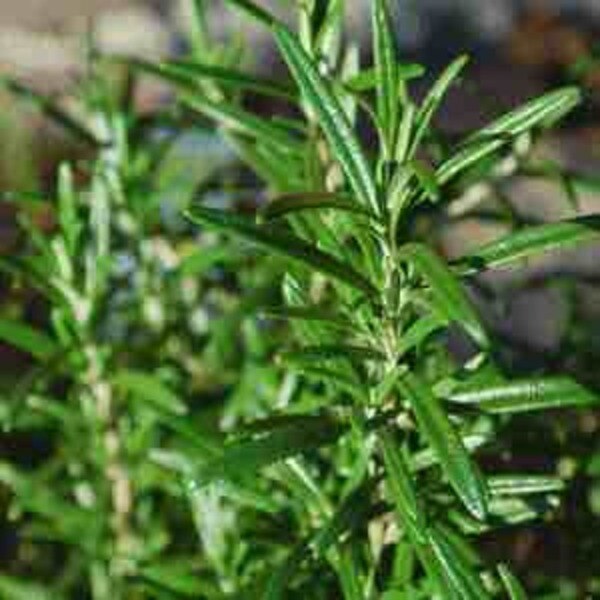
Do not compare rosemary oil manufacturers until the raw material and production route are defined. “Rosemary oil” is incomplete: the specification must identify Rosmarinus officinalis L., now commonly classified as Salvia rosmarinus, the plant part, country or region of origin, harvest period, cultivated or wild-collected status, moisture condition, and chemotype where relevant.
1. Request the production record for each lot. It should distinguish fresh-herb from dried-herb distillation and show charge mass, moisture condition, distillation method, time, pressure or temperature controls, condensate separation, yield, filtration, and any rework. A yield figure without its raw-material basis cannot support a fair comparison.
2. Identify the extraction route. Steam distillation and hydrodistillation produce distilled essential oils; solvent extraction and supercritical-carbon-dioxide extraction produce different materials. A CO2 extract can carry more waxes, pigments, and less-volatile constituents, so the route must appear on the purchase specification and lot-specific certificate of analysis.
3. Test the incoming bulk against a written sampling plan. Apply ISO 212 for essential-oil sampling, account for mixed drums or totes, and retain a sealed reference sample with the supplier’s lot record.
4. Ask for botanical traceability, batch records, calibrated instrument records, retained-sample controls, cleaning and pest-control records, and documented segregation from aroma-chemical or solvent operations. A trading address or blending certificate does not prove distillation capability.
Obtain the intended-use regulatory status, allergen declaration, safety data sheet, residual-solvent statement where relevant, and transport classification before approval. “Natural” does not remove application-specific compliance requirements.
Audit Distillation, Separation, and Storage Controls
A repeatable rosemary oil batch starts with controlled feedstock and a recorded process, not with the label “100% natural.” Audit whether the manufacturer identifies Rosmarinus officinalis L. (also Salvia rosmarinus), plant part, origin, harvest period, chemotype, moisture condition, and cultivated or wild-collected status for every lot.
Request these records for a representative batch:
- Raw-material receipt, botanical identification, and moisture result
- Charge mass, fresh or dried status, distillation time, pressure, temperature, yield, and rework history
- Condensate separation, water removal, filtration, and stainless-steel contact-surface cleaning records
- Calibrated GC equipment, retained samples, pest-control records, and documented segregation from solvents or aroma chemicals
Compare process conditions, because the same quoted yield can hide a different oil composition.
| Condition | Control to verify | Consequence of variation |
|---|---|---|
| Fresh herb versus dried herb | Moisture range and charge basis recorded | Volatile balance and yield become incomparable |
| Steam distillation versus hydrodistillation | Method, pressure, temperature, and duration fixed | Heat and water exposure can shift the chromatographic profile |
| Separated oil versus water carryover | Settling, filtration, and water or insoluble-matter checks documented | Haze, instability, and misleading net weight can result |
Storage completes the control chain. Check compatible, tightly closed containers, limited headspace, protection from light, and a defined temperature range; excessive heat, oxygen, or light accelerates oxidation. Ask for lot segregation and retained samples, then compare the release sample with the next lot’s chromatographic profile rather than relying on colour or odour alone.
Use a Complete Specification and Lot-Specific COA
Release a bulk lot only after its results match a written specification. A supplier certificate that says “GC tested” does not establish identity, composition, or conformity. Your rosemary oil specifications should state acceptance limits and distinguish identity tests from quality limits.
Use a written sampling plan for every drum, tote, or multi-container shipment, following ISO 212. Different containers can hold different production lots or non-uniform material. Combine or test samples according to the plan, retain a sealed reference sample, and link it to the supplier’s lot-specific COA.
Request these records before approval:
- A complete chromatographic profile with retention times or compound identifications. GC-FID supports quantitative reporting; GC-MS supports identity confirmation. Ask which method produced each result.
- Appearance, odor, relative density, refractive index, optical rotation where applicable, water or insoluble matter, and oxidation or residue tests required for your end use.
- The applicable ISO 1342 comparison, with every supplier-specific difference stated rather than hidden behind a generic specification.
- An allergen declaration, safety data sheet, residual-solvent statement where relevant, intended-use regulatory status, and transport classification.
| Record | What it supports | Release decision |
|---|---|---|
| Lot-specific GC-FID | Quantitative composition | Compare constituents with limits |
| Lot-specific GC-MS | Component identity | Investigate unexpected peaks |
| Physical test results | Density, index, odor, appearance | Detect dilution or degradation |
| Application documents | Regulatory and handling fit | Approve the intended use |
Qualify the Supplier and Control Bulk Receipt
A supplier that cannot define its raw material and prove lot control is not ready for a first bulk order. Compare every rosemary oil industrial supplier against ISO 1342, not against a generic “GC tested” claim; ask for Rosmarinus officinalis L. (now Salvia rosmarinus), plant part, origin, harvest period, chemotype, and distillation method.
| Evidence to compare | Acceptable record | Warning sign |
|---|---|---|
| Product identity | ISO 1342 comparison with botanical and processing details | “Rosemary oil, 100% natural” only |
| Composition | Lot-specific GC-FID results plus GC-MS identity confirmation and retention details | Undated, generic chromatogram |
| Physical quality | Density, refractive index, optical rotation where applicable, water or insoluble matter, and oxidation limits | One result with no specification |
| Traceability | Lot number linking raw material, production date, containers, and COA | Mixed or unexplained lot codes |
A buyer comparing a rosemary oil manufacturer in Ahmedabad, including SHANTI AROMATICS, should use the same document and sample test for every candidate. Do not treat location, export language, or a low price as evidence of consistency.
Control the first delivery with a written receiving procedure:
- Place the shipment on hold until seals, container count, lot codes, damage, and COA details agree.
- Sample drums or totes under a plan based on ISO 212; do not test only the top container.
- Record appearance, odour, container condition, and sample locations before compositing or laboratory testing.
- Retain a sealed reference sample against the supplier’s lot-specific COA.
- Release bulk rosemary oil only after identity and agreed limits pass; investigate any mismatch before blending.
Related product
 | Oils ₹1500 CERTIFICATE OF ANALYSIS OF ROSEMARY OIL Product : Rosemary oil Origin : Indian. Colour : yellow colored, clear liquid. View product → |
Match the Oil to the Application and Total Qualification Cost
Approve distilled rosemary oil when your formula needs a volatile essential oil with a defined chromatographic profile, rather than the waxes, pigments, and heavier constituents found in many carbon-dioxide extracts. It is the wrong material when your product requires non-volatile rosemary antioxidants or a solvent-extracted botanical fraction.
1. Write the intended use into the purchase specification: food, cosmetic, fragrance, aromatherapy, or industrial formulation. Record the required regulatory status, allergen declaration, safety data sheet, residual-solvent statement where relevant, and transport classification. “Natural” does not replace these documents.
2. Define the material precisely as Rosmarinus officinalis L. (now Salvia rosmarinus), including plant part, country or region, harvest period, chemotype, and steam-distillation or hydrodistillation route. Require comparison with ISO 1342; a generic GC-MS printout alone does not prove conformity.
3. Price the complete qualification, not only the oil. Include identity and quality testing, pilot batches, compatibility checks, stability or oxidation monitoring, document review, sample retention, and the cost of a rejected or quarantined bulk lot.
4. Keep an approval file containing the signed specification, lot-specific COA, botanical traceability, batch record summary, calibrated-instrument evidence, retained-sample reference, cleaning and segregation controls, and container and storage requirements. Release bulk material only after every application-specific document and acceptance limit is closed.
Frequently asked questions
What raw-material details should you define before evaluating rosemary oil manufacture?
Identify Rosmarinus officinalis L., now commonly classified as Salvia rosmarinus, plus the plant part, origin, harvest period, cultivated or wild-collected status, moisture condition, and relevant chemotype.
Which production controls should an industrial buyer audit?
Review distillation, separation, storage, batch identification, and traceability controls. Confirm that handling conditions protect the oil from contamination and quality drift.
What should a rosemary oil specification and COA include?
The specification should define the required identity, quality, composition, and handling criteria. Request a certificate of analysis tied to the exact lot supplied, rather than relying only on a generic product sheet.
How should you qualify a rosemary oil industrial supplier?
Assess raw-material control, manufacturing records, lot traceability, storage practices, documentation, bulk receipt procedures, application fit, and the time and testing required for qualification.