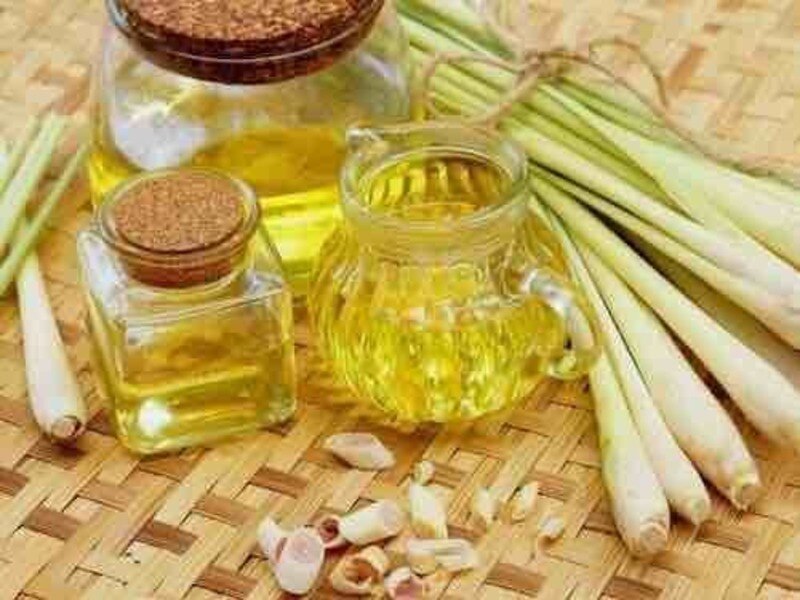
“Citronella oil manufacture lemongrass oil in Ahmedabad” combines two different oils, and confusing them can produce the wrong odour, chemistry, and performance in a finished product. By the end, you will know how to distinguish the oils, assess distillation and documentation, test a bulk lot, and receive an Ahmedabad shipment without releasing an unverified drum.
Key takeaways
- Do not substitute citronella oil for citral-rich lemongrass oil.
- Demand species, citral, density, refractive index, and batch test results.
- Verify the supplier’s licence, facility, traceability, and authenticity controls.
- Quarantine bulk shipments until identity and quality checks pass.
Lemongrass and citronella oil are different materials
Do not treat lemongrass oil and citronella oil as interchangeable. Lemongrass is commonly distilled from Cymbopogon citratus or Cymbopogon flexuosus and is valued for citral, especially its two isomers, neral and geranial. Citronella is commonly produced from Cymbopogon winterianus or Cymbopogon nardus and is associated with citronellal, citronellol, and geraniol.
| Material | Botanical source | Main chemical identity | Typical odour |
|---|---|---|---|
| Lemongrass oil | Cymbopogon citratus or C. flexuosus | Citral: neral and geranial | Sharp, lemony, fresh |
| Java-type citronella | Usually C. winterianus | More citronellal and geraniol | Strong, citrusy, rosy |
| Ceylon-type citronella | Usually C. nardus | Different balance of citronellal, citronellol, and geraniol | Softer, woody, lemon-like |
Java-type citronella is generally richer in citronellal and geraniol than Ceylon-type oil, but geography, harvest age, distillation practice, and chemotype can shift both composition and odour. Request the species, type, origin, and lot-specific chromatogram; reject “lemongrass/citronella oil” as a product identity.
Citral-rich lemongrass oil is not interchangeable with citronella oil in every fragrance, repellent, cosmetic, or industrial formulation. The search phrase “citronella oil manufacture lemongrass oil in ahmedabad” describes two separate purchasing enquiries: citronella oil and lemongrass oil. Specify the intended material before comparing suppliers or approving a formulation.
How lemongrass oil is made and where variation enters
Harvested aerial lemongrass is wilted or partly dried, chopped, and moved to distillation. The harvest-to-distillation interval matters: prolonged storage changes moisture, yield, citral-isomer balance, minor constituents, and odour.
1. Load the prepared herb into a still for steam distillation or hydrodistillation. Heat carries volatile compounds as vapour; a condenser cools that vapour into liquid, after which an oil-water separator collects the essential oil. Filter it, then fill clean, compatible containers.
Steam rate, distillation time, feedstock moisture, chopping size, and storage before distillation all affect the result. A supplier found through citronella oil manufacture may be a distiller, a processor blending origins, or a trader reselling a lot.
2. Before comparing prices, require the physical distillation-site address, raw-material traceability, batch records, extraction method, yield, harvest date, distillation date, and country and region of origin. Confirm whether the quoted batch was made in-house or resold.
After separation, protect the oil from heat, light, and oxygen. Use tightly closed, compatible, light-protective containers with minimal avoidable headspace; store them cool and dry, and agree transport conditions in writing. Nitrogen blanketing can reduce oxidation in citral-rich, oxidation-sensitive lots, but it does not prove authenticity or prevent undeclared blending.
The specification and COA to demand for bulk lemongrass oil
A bulk lemongrass oil lot is commercially assessable only when its identity, physical constants, chromatographic composition, and paperwork all match.
Specify the following before purchase:
- Botanical name and plant part
- Country and region of origin
- Steam distillation or hydrodistillation method
- Batch number
- Harvest date and distillation date
- Appearance and odour
- Relative density and refractive index
- Optical rotation, where relevant
- Acid value
- Individual neral and geranial results
- Combined citral content
- Lot-specific GC-FID or GC-MS chromatographic profile
A broad commercial indication of 70–85% combined neral plus geranial is not a release limit. Agree a range for the stated species, origin, harvest, and end use; otherwise “high citral” permits inconsistent material.
| Test category | Required evidence | Purpose |
|---|---|---|
| Release tests | Appearance, odour, relative density, refractive index, optical rotation where relevant, acid value, neral, geranial, combined citral, GC-FID or GC-MS profile | Release against the purchase specification |
| Destination-dependent tests | Pesticide residues, heavy metals, residual solvents, microbiology, allergens | Add for the destination market or application |
Require a COA with specification limits, test methods, actual results, issue date, lot number, and a direct match to every drum label.
Also request the SDS, GHS classification, allergen declaration, and IFRA-use documentation. Add food or cosmetic compliance documents when that market requires them; IFRA documentation does not prove botanical origin or purity.
How to verify an Ahmedabad supplier and investigate authenticity
A lemongrass oil supplier in Ahmedabad may be a distiller, a processor blending origins, or a trader reselling the quoted lot. Establish which one you are buying from before approving a large-volume order.
1. Ask for the physical distillation-site address, botanical raw-material source, harvest and distillation dates, extraction method, batch record, and yield. Ask whether the quoted lot was made in-house or resold, and request an approved reference sample sealed against that lot.
2. Demand the original, lot-specific GC chromatogram, not a copied COA or generic “high citral” claim. GC-FID quantifies citral and other constituents by measuring calibrated peak areas; GC-MS helps screen identity and exposes unusual constituent patterns. Neither test proves the oil contains no synthetic citral, synthetic citronellal, or undeclared blending.
3. Investigate unexplained odour changes, abnormal chromatographic peaks, non-volatile residue, or an evaporation pattern inconsistent with an essential oil. Dilution with cheaper oils, solvents, fixed oils, or synthetic ingredients needs further examination; routine density and refractive index results alone cannot establish authenticity.
4. Request comparison with a retained authentic lot. If results remain doubtful, use isotope-ratio testing or chiral analysis. Require the contract to warrant that each shipment matches the approved sample and agreed GC profile, with retesting rights.
A buyer evaluating SHANTI AROMATICS should apply these lot-specific questions rather than accept catalogue language as evidence of manufacture or authenticity.
Related product
 | Lemongrass oil ₹1100 CERTIFICATE OF ANALYSIS OF LEMONGRASS OIL Product : Lemongrass oil Colour : Pale yellow to orange brown liquid . View product → |
Receiving, quarantining, and releasing a 25 kg or larger shipment
Accept a 25 kg or larger shipment only after documented receiving checks, quarantine, sampling, and lot-specific approval.
1. Inspect the vehicle for cleanliness, water ingress, unusual odours, and heat exposure. Photograph the vehicle seal and each drum seal before opening. Reject or hold containers showing leakage, bulging, corrosion, broken tamper evidence, dirt, or damage.
2. Check container cleanliness, liner compatibility, net weight, product label, batch number, and manufacturing or distillation date against the delivery note and purchase order. Record every discrepancy, then move the complete shipment to a clearly marked quarantine area.
3. Sample multiple containers under a written sampling plan; never approve a lot from one drum. Use clean, dry sampling equipment, prevent contact with air and contaminants, and retain a sealed reference sample from every received lot.
4. Match every drum and sample to the supplier’s COA batch number, approved reference sample, purchase specification, and agreed GC-FID or GC-MS profile. Test appearance, odour, relative density, refractive index, and chromatographic composition before release.
5. Investigate every mismatch before blending or production. Your contract with the lemongrass essential oil manufacturer should grant retesting rights and require the seller to warrant conformity with the approved sample and lot-specific profile.
Store accepted oil in clean, tightly closed, light-protective, compatible drums with limited avoidable headspace. Keep the warehouse cool and dry, and record temperature exposure during Ahmedabad transport and storage because heat, air, and light can shift citral-rich oil’s odour.
Frequently asked questions
Are lemongrass oil and citronella oil interchangeable?
No. Lemongrass oil comes mainly from Cymbopogon citratus or Cymbopogon flexuosus and is valued for citral, including neral and geranial. Citronella oil commonly comes from Cymbopogon winterianus or Cymbopogon nardus and is associated with citronellal, citronellol, and geraniol.
What should a buyer request on a bulk lemongrass oil COA?
Request the botanical name, plant part, extraction method, batch number, production date, appearance, odour, relative density, refractive index, optical rotation, citral or key-marker results, and applicable microbiological or contaminant tests.
How can you verify a lemongrass oil supplier in Ahmedabad?
Check the legal entity, manufacturing address, licence copies, batch traceability, test laboratory details, retained-sample process, packaging controls, and consistency between the quotation, COA, label, and shipping documents.
How should you handle a 25 kg or larger lemongrass oil shipment?
Record the seal, drum condition, lot number, quantity, and temperature on receipt. Quarantine the shipment, inspect the packaging and documents, test a representative sample, then release it only after the results meet your specification.