“Lavender oil” can describe materials with different botanical sources, odour profiles, camphor levels and prices, so an industrial quotation is not meaningful until the grade is defined. You will be able to match each lavender material to its application, specify the tests and documents for a batch, and handle bulk oil without creating avoidable quality problems.
Key takeaways
- Specify Lavandula angustifolia or lavandin before requesting quotations.
- Check the COA for botanical name, batch number, GC-MS data and dilution markers.
- Keep lavender oil sealed, cool and away from light, oxygen and excessive heat.
- Compare suppliers using samples, traceability documents and consistent batch specifications.
Match the lavender material to the manufacturing application
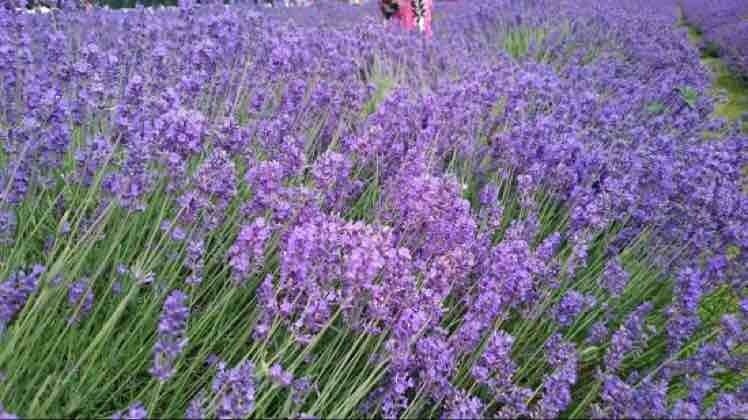
Industrial buyers mapping lavender oil for manufacture industrial applications should specify the botanical material, not simply “lavender oil.” True lavender comes from Lavandula angustifolia and gives a softer, finer, less camphoraceous odour; lavandin comes from the hybrid Lavandula × intermedia and is stronger, more camphoraceous and usually more economical.
| Material | Odour and commercial position | Best-fit manufacturing applications |
|---|---|---|
| Lavandula angustifolia (true lavender) | Soft, floral, refined; higher-value material | Premium fine fragrance, leave-on creams and lotions, personal-care products, aromatherapy formulations |
| Lavandula × intermedia (lavandin) | Stronger, fresher, more camphoraceous; economical | Soaps, shampoos, detergents, household products, candles and functional fragrance |
| Lavandula latifolia (spike lavender) | More penetrating, camphoraceous and cineolic | Industrial cleaners, strong soap accords and blends where a sharper profile is wanted |
| Fragrance compounds or reconstitutions | Designed odour; composition is not whole distilled oil | Cost-controlled candles, air-care, detergents and fragrance bases when natural-essential-oil claims are unnecessary |
Lavandin is not an inferior version of true lavender; it is the better fit when fragrance strength, cost and batch consistency matter more than a delicate floral profile. A compound is the wrong choice when the finished product claims pure natural essential oil or aromatherapy authenticity.
The lavender essential oil industrial uses include fine fragrance, toiletries, soaps, shampoos, creams, lotions, candles, air care and household products. Match the material to the finished category, then check its applicable IFRA Standard and maximum use level; approval for soap does not automatically cover a leave-on cosmetic.
Build a purchase specification and read the batch COA
Approve a lot only after its COA identifies the material as Lavandula angustifolia Mill. oil, not merely “lavender oil.” ISO 3515 applies to true lavender essential oil; lavandin belongs to a separate standard, so combining both under one specification invites disputes over odour, camphor content and performance.
- Request the botanical name, plant part, extraction method, country and region of origin, harvest year, chemotype, batch number, production date and expiry or retest date.
- Set limits for appearance, colour, odour, relative density, refractive index, optical rotation, acid value and residue on evaporation. Require the test method, result, specification range and laboratory date for every field.
- Require batch-specific GC-FID or GC-MS data, with constituent percentages and acceptance limits for linalool, linalyl acetate, terpinen-4-ol, lavandulol, lavandulyl acetate, camphor, 1,8-cineole and alpha-terpineol.
- Compare the complete chromatogram with the applicable monograph or agreed supplier specification. A GC-MS library match alone does not prove authenticity because it can identify major compounds without confirming the correct botanical profile.
- Record container material, net mass, closure type, storage temperature, light protection and retained-sample policy. Use stainless steel or a suitable lined container with a sealed closure; unsuitable plastic, heat, light and odour exposure can alter bulk lavender essential oil.
Ask for an SDS, allergen declaration and updated regulatory declaration for the actual batch. For EU cosmetics, check fragrance allergens against Annex III leave-on and rinse-off thresholds before approving the lot.
Check authenticity, dilution and claim suitability
Do not approve a lavender oil because its aroma resembles lavender. A diluted or reconstituted material can smell convincing while failing the botanical identity, chromatographic profile or physical constants expected for Lavandula angustifolia oil.
GC-FID or GC-MS results must be compared with the applicable monograph or agreed specification; a GC-MS library match alone does not prove authenticity.
Ask the supplier for a batch-specific evidence pack:
- COA showing botanical name, batch number, production date, origin, density, refractive index, optical rotation, acid value, residue on evaporation and the full chromatogram
- Quantified results for linalool, linalyl acetate, terpinen-4-ol, lavandulol, lavandulyl acetate, camphor, 1,8-cineole and alpha-terpineol
- SDS, allergen declaration, retained-sample policy and a declaration identifying any added isolates, synthetic materials, carrier oil or other essential oils
- Traceability records linking the batch to the plant source and extraction process; request an organic certificate only when you intend to make an organic claim
Match the paperwork to the claim and finished product. “Natural lavender” requires documented botanical origin and traceability, while “lavender fragrance” can contain isolates, synthetics or other naturals. IFRA conformity is use-specific: provide the intended category, such as fine fragrance, rinse-off, leave-on or air-care, before requesting the applicable Standard and maximum use level.
Evidence suitable for soap or candles does not automatically support leave-on cosmetics, aromatherapy or food use. These checks protect every lavender essential oil industrial uses decision from comparing authentic oil with fragrance material at an apparently lower price.
Control incorporation, heat exposure and bulk storage
Add lavender oil late, after the base has cooled, and pre-dilute it in a compatible carrier or solubiliser before incorporation. This reduces local overdosing, protects volatile notes and prevents oil droplets from separating in water-based products.
- Creams and lotions: add during cool-down after emulsion formation, preferably below 40°C unless your validated process specifies another temperature.
- Shampoos and household cleaners: blend it into the fragrance or solubilised concentrate before adding that concentrate to the base.
- Cold-process soaps: add at trace and mix quickly; hot-process soap needs a cooler post-cook addition because prolonged heat strips aroma.
- Candles: follow the wax supplier’s validated fragrance-addition temperature and mix long enough for uniform dispersion. Excess heat or an unsuitable fragrance load can cause sweating, weak scent throw or combustion problems.
Use the intended product category to set the maximum level. An IFRA certificate applies to a defined category, not to every use of the oil, and a leave-on lotion has different requirements from rinse-off soap or air care.
For lavender oil for manufacture industrial applications, protect the bulk material from oxygen, light and contamination:
- Store it in sealed stainless-steel or suitable lined containers with compatible closures.
- Keep containers cool, dark, upright and away from boilers, sunlight and odorous chemicals.
- Minimise headspace, record opening dates and retain batch traceability.
- Use the supplier’s retest date; discard material showing strong oxidation, unexpected colour or a changed odour.
Do not transfer lavender oil into unverified plastic. It can attack the container, absorb foreign odours or lose volatile components through a poor seal.
Qualify the supplier before comparing quotations
A low quote means little if one supplier is offering true lavender and another is quoting lavandin, reconstituted fragrance or old stock. Before comparing prices, make every lavender oil supplier in Ghaziabad or elsewhere in India answer the same technical and commercial questions.
- State the botanical species, plant part, extraction method, desired grade, intended application, origin preference, harvest year or chemotype, and any organic or natural-claim requirement.
- Set acceptance limits for GC-FID or GC-MS constituents, density, refractive index, optical rotation, acid value, residue on evaporation, colour and odour. Request the full chromatogram, not only a pass/fail COA; a GC-MS library match alone does not prove authenticity.
- Specify packaging, minimum order quantity, lead time, Incoterm, storage conditions and retest period. Require sealed stainless-steel or suitable lined containers, batch traceability and a retained sample.
- Request the manufacturing or repacking address, botanical source, country of origin, batch number, production date, lot-specific COA, SDS and allergen declaration. Ask whether the seller is a distiller, processor, stockist or trader.
- For EU cosmetics, obtain the actual-batch allergen and regulatory declaration. For fragrance or air-care products, provide the end use before requesting an IFRA document because its limits depend on product category.
During an audit, inspect closure integrity, heat and light controls, odour segregation and records linking incoming material to the shipped batch. SHANTI AROMATICS should be assessed by these same documents and controls, not by its Ghaziabad address or quotation alone.
Related products
 | ESSENTIAL OIL ₹2500 Essential oil View product → |
 | ESSENTIAL OIL ₹1800 COA OF LAVENDER OIL ----------------------------------------------------------------------------------------------- TEST SPECIFICATION RESULT... View product → |
Frequently asked questions
Which lavender material suits an industrial application?
Choose Lavandula angustifolia for a softer, finer odour, or Lavandula × intermedia lavandin for a stronger, more camphoraceous profile and lower cost.
What should a lavender oil purchase specification include?
State the botanical name, plant part, extraction method, origin, required odour profile, packaging, shelf-life expectations and testing documents, including the batch COA and GC-MS report.
How can you check lavender oil authenticity and dilution?
Match the botanical identity and batch details across the label, COA and GC-MS report, then check for unusual marker levels, carrier-oil indicators, synthetic additives or discrepancies in density and refractive index.
How should bulk lavender essential oil be handled during manufacture and storage?
Limit heat exposure, add the oil during a controlled low-temperature stage when the formula allows, and store sealed containers in a cool, dark, low-oxygen environment.
Related product
 | essential oil ₹2500 Natural & pure View product → |