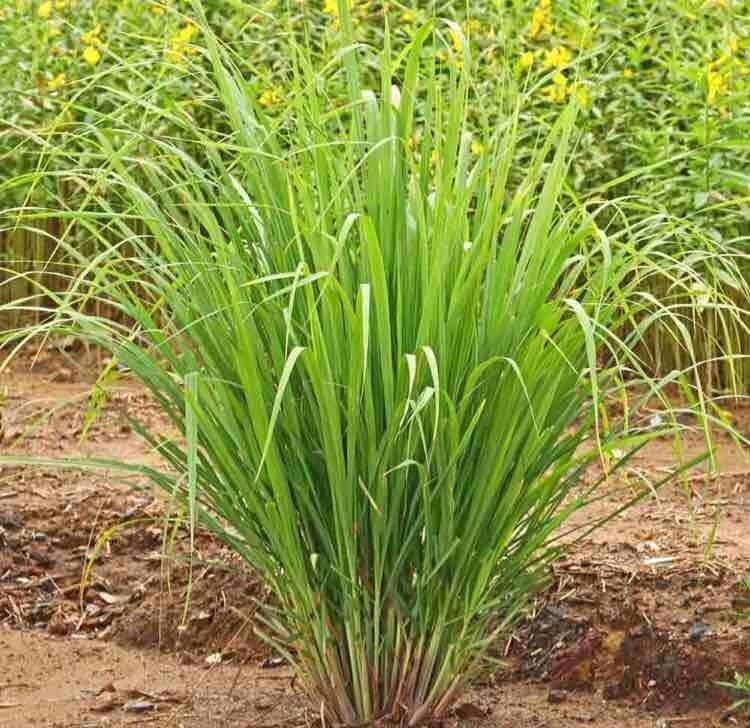
Lemongrass oil is usually a citral-rich feedstock, while authentic citronella oil is valued for a different composition led by citronellal, citronellol and geraniol. Before requesting a quotation, identify the finished material, choose the correct Cymbopogon species and define the lot tests that will prove the oil is suitable for your process.
Key takeaways
- Define whether you need citronella oil, citronellal, citronellol or citral feedstock.
- Match the oil’s composition to your conversion route, not its fresh aroma.
- Specify citral range, physical limits, batch data and packaging on the purchase order.
- Compare origin, supplier documents and alternatives before approving the first shipment.
Start by defining whether you need citronella oil, citronellal or citral feedstock
Lemongrass oil is not a direct substitute for citronella oil. Before buying, define whether you need finished citronella oil, isolated citronellal or citronellol, or citral feedstock for chemical conversion. The question “which lemongrass oil fits citronella oil for manufacture” has no single answer because the materials have different dominant constituents.
| Requirement | Correct starting material | Why it applies |
|---|---|---|
| Authentic citronella oil | Java-type or Ceylon-type citronella oil | These are valued for citronellal, citronellol and geraniol; they are not interchangeable |
| Citronellal or citronellol | Defined citronellal, citronellol or a validated conversion feedstock | Lemongrass oil does not reproduce the normal citronella profile without conversion, fractionation or blending |
| Citral-oriented manufacture | Citral-rich Cymbopogon flexuosus oil | Its geranial-plus-neral content suits citral recovery or further processing |
| Alternative citral feedstock | Cymbopogon citratus oil with a specified assay | Cultivar, origin, harvest stage and distillation can change its profile |
For the lemongrass oil options for citronella, choose Cymbopogon flexuosus when the route requires high total citral, then verify the actual geranial and neral percentages. Do not approve a lot because it smells lemon-fresh or is labelled “citronella.” Confirm that the supplier’s production batch matches the sample, botanical source and GC profile.
A supplier’s location shows logistics, not origin or distillation quality. If the order requires citronellal, calculate conversion yield, catalyst needs, impurities and regulatory status before selecting lemongrass oil.
Match the oil to the manufacturing route, not to a similar fresh aroma
A citral-rich lemongrass oil suits a citral route, not a direct citronella-oil replacement. Steam distillation produces the essential oil; vacuum fractionation or another separation step can concentrate citral. Selective hydrogenation can convert citral toward citronellal, while further hydrogenation can produce citronellol. Each step needs its own yield, catalyst, impurity, safety and regulatory review.
| Option | Manufacturing route | When it applies |
|---|---|---|
| Citral-rich Cymbopogon oil | Fractionate or isolate citral | Citral feedstock or citral-led fragrance |
| Direct citronella oil | Buy and blend or use as supplied | Authentic citronella profile based on citronellal, citronellol and geraniol |
| Isolated citral | Convert or formulate directly | Controlled composition and tighter process input |
| Citronellal or citronellol | Blend into the finished formula | The order names the aroma chemical rather than a botanical feedstock |
For lemongrass oil options for citronella, match the material to the route:
- Name the Cymbopogon species, origin and intended conversion before comparing prices.
- Choose lemongrass oil when citral recovery is the goal and the GC profile supports that yield.
- Choose citronella oil when the customer requires its natural citronellal-led profile.
- Choose isolated citral, citronellal or citronellol when conversion losses, catalyst residues or natural-origin claims make lemongrass oil unsuitable.
A fresh lemon odour does not prove process compatibility. A fragrance-grade oil can smell right and still fail citral recovery or a defined natural-origin specification.
Put the composition and physical limits on the purchase order
State the end use on the purchase order: citral extraction, fragrance compounding, flavour use, household products, or another industrial application. “Lemongrass oil for citronella” is not precise enough because lemongrass oil is normally citral-rich, while citronella oil is valued for citronellal, citronellol and geraniol.
Specify whether the material is a citral feedstock or an odour-led ingredient.
A practical lemongrass oil buying guide should require these acceptance fields:
- Botanical name: Cymbopogon flexuosus or Cymbopogon citratus; do not accept only “East Indian” or “West Indian.”
- GC-FID or GC-MS limits for geranial, neral, total citral, limonene, myrcene and every declared marker compound.
- Physical limits for refractive index, relative density at a stated temperature, optical rotation, colour and sensory odour.
- Test methods, sampling point, batch size and numerical pass/fail limits for each specification.
- Intended conversion route, including citral recovery, fractionation, hydrogenation or blending, if applicable.
| Option | Composition and identity | When it applies |
|---|---|---|
| Cymbopogon flexuosus | East Indian or Cochin type; define its measured citral profile | Citral-oriented recovery |
| Cymbopogon citratus | West Indian type; approve only against its measured profile | A specified source or aroma profile |
| Undefined trade name | Identity and composition remain uncertain | Reject for controlled manufacture |
Set limits for colour and odour as well as chemistry; a fresh lemon note cannot prove citral content. Require tightly closed, light-protective packaging and storage instructions because heat, oxygen and light can reduce quality before processing.
Use the COA, molecular-weight data and pack details to qualify each lot
Approve a lot only when its identity, composition, documentation and pack format support the conversion route and the delivery schedule. A catalogue range is not evidence of lot quality; request a batch-specific Certificate of Analysis (COA) tied to the drum or IBC batch number.
Check the following before release:
- Confirm Cymbopogon flexuosus or Cymbopogon citratus, country of origin, distillation method, production date and retest date.
- Compare density, refractive index and optical rotation with the agreed specification; an unexplained shift can indicate dilution, ageing or a different botanical source.
- Review the GC profile for citral and other marker compounds, not just a single headline percentage. Use the profile to confirm that the material suits the planned conversion.
- Treat molecular-weight data as a calculation control: citral is 152.24 g/mol, citronellal is 154.25 g/mol and citronellol is 156.27 g/mol. Lemongrass oil itself has no single molecular weight because it is a mixture.
- Obtain the residual-solvent statement where extraction or recovery introduces that risk, plus the current Safety Data Sheet (SDS).
Pack details determine whether the supply is workable. Compare net and gross weight, metal or fluorinated-HDPE construction, seal and headspace controls, pallet configuration, minimum order quantity and UN transport classification where applicable. Common lemongrass oil bulk sizes include 25 kg drums, 180–200 kg drums and 800–1,000 kg IBCs, but confirm each seller’s actual offer.
Require cool, dry, light-protected storage and traceability to the distillation batch and raw-material source.
Compare the supplier, origin and alternatives before approving the first shipment
Approve the route, not the lowest quotation. A lemongrass oil supplier in Ghaziabad offers a logistics advantage, but the address does not prove botanical origin, distillation quality or suitability for citronella manufacture.
| Option | What to verify | When it applies |
|---|---|---|
| Lemongrass oil | Cymbopogon species, citral content, GC profile and distillation batch | Use as citral-rich feedstock, not as authentic citronella oil |
| Direct citronella oil | Citronellal, citronellol and geraniol profile, plus botanical source | Use when the order requires finished citronella oil |
| Fractions | Isolated citral or citronellal assay, yield and impurity limits | Use when conversion or precise composition matters |
| Synthetic aroma chemicals | Identity, assay, regulatory status and cost per finished kilogram | Use when consistency outranks natural-origin claims |
Ask whether the seller is a distiller, extractor, importer or trader, then trace the lot to its raw-material source and distillation record. Compare the same specification basis: citral percentages calculated on different bases can make two oils appear equivalent when they are not.
For the first shipment, approve a sealed retained sample linked to the COA, then test the delivered lot for appearance, odour, density, refractive index and agreed GC markers before production release.
Whether you assess SHANTI AROMATICS or another supplier, require light-protective, tightly closed packs and cool, dry storage; heat, oxygen and repeated opening can reduce citral quality.
Related product
 | Lemongrass oil ₹1100 CERTIFICATE OF ANALYSIS OF LEMONGRASS OIL Product : Lemongrass oil Colour : Pale yellow to orange brown liquid . View product → |
Frequently asked questions
Is lemongrass oil a direct substitute for citronella oil?
No. Lemongrass oil and citronella oil have different dominant constituents, so select material according to the intended manufacturing route.
Which lemongrass oil fits citronella manufacture?
The suitable option depends on whether you need finished citronella oil, isolated citronellal or citronellol, or citral feedstock for chemical conversion.
What should you put on a lemongrass oil purchase order?
Specify the required composition, physical limits, COA requirements, batch identification, molecular-weight data where relevant, container type and bulk quantity.
How do you qualify a lemongrass oil shipment?
Review the COA against the agreed specification, check batch and pack details, confirm the supplier and origin, and compare the first lot with approved alternatives.