Lavender essential oil is a volatile botanical extract, not a generic name for every lavender-scented oil. Before approving a material for production, you need to identify its plant source and extraction method, distinguish it from fragrance and infused oils, and match batch evidence to the finished product you plan to make.
Key takeaways
- Ask for botanical name, plant part, extraction method and country of origin.
- Reject offers that confuse essential oil with fragrance oil or infused carrier oil.
- Compare GC-MS results, density, refractive index and batch-specific documents.
- Approve suppliers only after checking traceability, specifications and a representative sample.
What lavender essential oil actually is and where it comes from
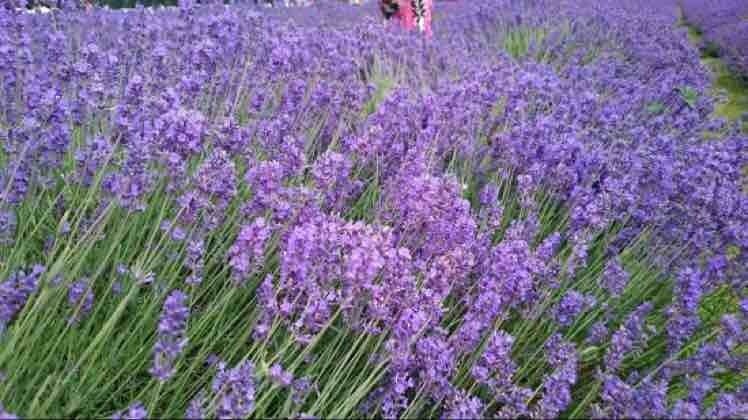
Lavender essential oil is a volatile aromatic fraction obtained mainly from the flowering aerial parts of Lavandula by steam distillation or hydrodistillation. This is lavender essential oil explained in plain terms: it evaporates, unlike a fixed vegetable carrier oil.
It is also different from lavender absolute, hydrosol, infused oil and lavender-flavoured oil made with aroma materials.
For what lavender essential oil is before lavender oil for manufacture buying, require the quotation to identify:
- Lavandula species and cultivar: Lavandula angustifolia is commonly called true lavender; lavandin is the hybrid Lavandula angustifolia × Lavandula latifolia.
- Flowering aerial part used, country or region of origin, harvest or distillation period, and steam-distillation or hydrodistillation method.
- Chemotype or full chemical profile, plus whether the oil is rectified, fractionated, blended or reconstituted.
- Applicable standard: ISO 3515 covers oil of lavender, while ISO 8902 covers oil of lavandin.
The word lavender alone proves neither species nor standard compliance. True lavender and lavandin differ in odour, camphor content, economics and formulation uses, so a low quotation can represent a different botanical material rather than more efficient production.
Ask where distillation occurred; a supplier located in Ghaziabad or elsewhere may pack, blend or trade oil distilled in another region. Include botanical identity, plant part, origin, extraction method and processing status in the purchase specification.
What natural, pure and lavender oil prove on a specification sheet
“Natural” describes origin or processing, not pesticide-free, solvent-free, allergen-free or suitable for ingestion. A specification sheet using that word still needs lot-specific contaminant results and an application-based safety review.
Use this reading procedure:
- Treat “pure” as a marketing or composition claim, not identity evidence. Request the offered lot’s complete GC-FID or GC-MS profile, test method, compound-identification basis and quantitative ranges. A generic “typical GC” sheet does not prove the batch.
- Treat “essential oil” as evidence of a volatile aromatic material, not proof of its Lavandula species, grade or compliance standard. “Lavender oil” remains too broad: it can mean Lavandula angustifolia, lavandin, a fraction, blend or reconstituted material.
- Check the purchase specification for botanical name, chemotype or profile, origin, plant part, extraction method and whether the oil was rectified, fractionated, blended or reconstituted. That is the practical core of lavender essential oil explained for buying decisions and lavender oil manufacture.
- Match the identity to the formula. Fragrance concentrates, soaps, shampoos, creams, aromatherapy products and household cleaners may need natural botanical traceability, while a fragrance compound can be the better choice when uniform odour, cost control or a defined regulatory dossier matters.
Request pesticide, heavy-metal, microbiological and residual-solvent results when the application or process creates that risk. A lower price can reflect lavandin, origin, grade or fractionation—not efficient manufacture.
How essential oil differs from lavender fragrance oil and infused carrier oil
The deciding difference is what carries the lavender character. Lavender essential oil explained simply: it is a volatile, concentrated distillate, usually from flowering aerial parts, led by linalool and linalyl acetate. It evaporates during an odour evaluation, while a fixed oil remains.
| Option | What it contains and how it behaves | Best fit |
|---|---|---|
| Lavender essential oil | Volatile natural constituents; light texture and rapid evaporation | Aromatherapy, room products, soaps, shampoos, creams and fragrance concentrates needing botanical identity |
| Lavender fragrance oil | A formulated perfume composition containing natural isolates, synthetic aroma chemicals, carriers and stabilisers | Soaps, shampoos, creams and room products needing tighter odour consistency; it may fail a natural-product specification |
| Lavender-infused carrier oil | Fixed vegetable oil carrying extracted lavender constituents; heavier texture, low volatility and different dilution behaviour | Massage products, oil serums and creams where emollience matters more than rapid evaporation |
In soap and shampoo, essential oil contributes both scent and a natural constituent profile, but heat, alkalinity and processing time can reduce its impact. Fragrance oil offers a more controlled finished odour. In creams and massage products, infused oil changes slip and richness; it does not behave like a concentrated essential oil.
Aromatherapy formulas require the essential oil identity and intended dilution, while room products may prioritise persistence.
Request different evidence for each material:
- Essential oil: botanical name, plant part, origin and extraction method.
- Fragrance oil: composition information, allergen declaration and intended-use documentation.
- Infused oil: carrier identity, infusion process, lavender botanical source and botanical loading.
A lavender oil manufacture specification that omits these distinctions can put the wrong raw material into production.
Which quality tests show whether the offered batch fits your formula
A pale-yellow liquid and characteristic odour are only entry checks. Ask the lavender oil bulk supplier for botanical identity, organoleptic profile, relative density or specific gravity, refractive index, optical rotation, solubility, and the applicable ISO specification: ISO 3515 for lavender or ISO 8902 for lavandin. These are screening controls, not standalone proof of authenticity.
A useful lavender essential oil explained review starts with the lot number, not a generic “typical” sheet.
| Profile | Fine lavender | Lavandin |
|---|---|---|
| Constituents | Linalool and linalyl acetate, with terpinen-4-ol, lavandulol and its acetate | Often more 1,8-cineole and camphor, alongside linalool and linalyl acetate |
| Odour fit | Softer, floral, low-camphor briefs | Functional fragrance and cleaning products needing a more camphoraceous effect |
| Failure risk | Reject if the profile is harsh or camphoraceous | Reject when the formula requires soft fine-lavender character |
Review the complete GC-FID or GC-MS chromatogram. It must show named constituents, quantitative ranges, retention indices or another identification basis, the test method, and the tested lot number; one linalool percentage proves little because harvest, geography, distillation and storage change the whole profile.
If price, odour and routine GC conflict, escalate to chiral GC, isotope-ratio testing or NMR. Request pesticide results, heavy metals when the risk assessment requires them, microbiology for susceptible formulations, and residual-solvent testing when anything beyond direct distillation was used. “Natural” does not mean contaminant-free, allergen-free or ingestible.
What to request before approving a lavender oil bulk supplier
Approve a lavender oil bulk supplier only after the documents identify the actual lot, not merely the product name. This is what lavender essential oil is before lavender oil for manufacture buying becomes a purchase decision: a defined botanical material with traceable processing and a tested profile.
Request this document checklist:
- Current batch-specific COA, GC-MS or GC-FID report, and safety data sheet
- Actual-lot allergen declaration, country-of-origin statement, botanical name, plant part, and extraction method
- Batch number, manufacturing date, retest or expiry date, packaging size and material, and storage conditions
- Applicable regulatory statements for your destination market and intended use
A catalogue label does not prove who made the oil. Confirm the seller’s role.
| Role | What to verify | Why it matters |
|---|---|---|
| Producer | Distillation site, process records and batch traceability | Confirms where the oil originated |
| Blender or packer | Source lots, blending records and repacking controls | Explains changes from the original distillation |
| Trader | Producer identity, retained records and chain of custody | Prevents an unverifiable supply chain |
Require tightly closed, light-protective packaging, controlled heat and sensible headspace. Oxygen, light and heat can oxidise linalool and limonene, changing odour and increasing allergen concerns.
Ask for a retained sample, compare it with the production lot, and put species, profile, origin, distillation period and any rectification or fractionation in the purchase order. A search for a lavender oil manufacturer in Ghaziabad shows location, not distillation origin.
When assessing SHANTI AROMATICS, confirm its actual manufacturing role and batch traceability rather than relying on a catalogue label.
Related products
 | ESSENTIAL OIL ₹2500 Essential oil View product → |
 | ESSENTIAL OIL ₹1800 COA OF LAVENDER OIL ----------------------------------------------------------------------------------------------- TEST SPECIFICATION RESULT... View product → |
Frequently asked questions
What is lavender essential oil made from?
It is a volatile aromatic fraction obtained mainly from the flowering aerial parts of Lavandula by steam distillation or hydrodistillation.
How do natural, pure and lavender oil differ on a specification sheet?
Natural identifies the source, pure indicates that no intentional diluent or blend has been added, and lavender oil must be supported by a botanical name, extraction method and batch specifications.
How is essential oil different from lavender fragrance oil and infused carrier oil?
Essential oil is a distilled volatile fraction. Fragrance oil is a formulated aromatic blend, while infused carrier oil is a fixed vegetable oil carrying lavender extract or macerate.
Which tests should you request before buying lavender oil in bulk?
Request batch-specific GC-MS, density, refractive index, optical rotation, appearance, odour, residual solvent and microbiological results when relevant to your formula.
Related product
 | essential oil ₹2500 Natural & pure View product → |