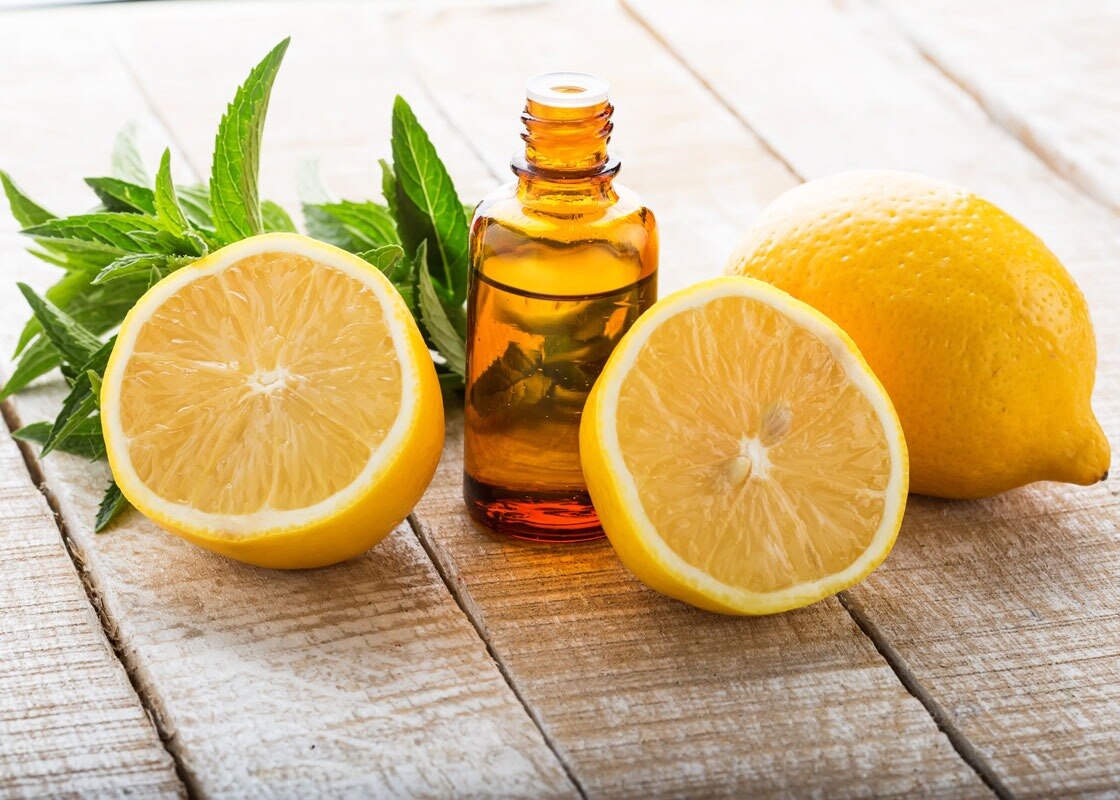
Lemon oil is not one interchangeable material: peel source, extraction method, fractionation and storage determine its aroma, phototoxicity risk and formulation performance. By the end, you will be able to identify how a batch was made, match it to a wellness format, and compare suppliers using evidence rather than a generic product name.
Key takeaways
- Ask for the extraction method before comparing lemon oils.
- Match the dose and wellness claim to your supporting evidence.
- Check the COA, batch number, origin, and test results before purchase.
- Use light-resistant packaging and cool storage to slow oxidation.
How lemon peel becomes a filled oil batch
Fruit quality sets the ceiling for lemon oil manufacture for wellness products. A lemon oil manufacturer should trace Citrus limon fruit to its source, reject damaged or mouldy material, and record the harvest or receiving lot before processing.
- Select sound, mature fruit and record supplier, origin and lot number.
- Wash the fruit, remove surface contamination, and separate the outer flavedo from the white albedo.
- For expressed oil, mechanically abrade or press the flavedo, then centrifuge the peel emulsion to separate oil from water and solids.
- For distilled oil, expose prepared peel or peel-derived material to steam or vacuum, condense the vapour, and separate the oil from the aqueous phase.
- Filter the oil to remove suspended particles, then test identity, composition, appearance and oxidation indicators.
- Store it in a tightly closed, light-protective, compatible container with limited headspace before filling.
- Fill clean, labelled containers, record the fill quantity and date, and assign the finished-product batch number.
To confirm a specific batch, request the batch manufacturing record or extraction declaration, not just a generic certificate of analysis. The document should state “expressed” or “steam-distilled” or “vacuum-distilled,” the botanical name Citrus limon, the plant part, source lot and processing date.
A GC profile supports identity and consistency, but it cannot alone prove extraction method; match the batch number on the drum, certificate, filling record and label.
Expressed, distilled and fractionated oils are not interchangeable
Cold-pressed peel oil, distilled oil and folded oil can smell like lemon while behaving differently in a wellness formula. Specify the process, not simply “natural lemon oil,” because the generic name does not identify furanocoumarin content, oxidation risk or composition.
| Option | Aroma and composition | Furanocoumarins and oxidation | Suitable use |
|---|---|---|---|
| Cold-pressed peel oil | Full, fresh peel character with waxes, pigments and nonvolatile peel constituents | Furanocoumarins can remain; limonene-rich oil oxidises readily with air, light and heat | Best when authentic peel aroma and colour are wanted; require phototoxicity controls for leave-on products |
| Steam- or vacuum-distilled oil | Cleaner, lighter aroma with much less nonvolatile material; distillation changes the terpene and oxygenated-compound profile | Distillation substantially reduces furanocoumarins, but the remaining volatile terpenes still oxidise | Useful where lower colour and cleaner formulation behaviour matter; verify the method and test the batch |
| Folded lemon oil | Concentrated, often stronger or more selected aroma after removing part of the volatile terpene fraction | Less limonene can improve stability, but furanocoumarin status depends on the starting oil and process | Useful for solubility, stability or intensity; not equivalent to the original expressed oil |
For bulk lemon essential oil intended for massage, bath or other leave-on products, request the extraction method and a furanocoumarin or 5-methoxypsoralen result. Ask for GC-FID or GC-MS profiling too: limonene percentage alone cannot prove botanical identity or batch equivalence.
Choosing a format, dose and claim you can support
A leave-on product needs the strictest choice: specify whether your bulk lemon essential oil is expressed or distilled, then set the finished-product concentration through a safety assessment.
Expressed oil can contain furocoumarins that react with UVA; use a distilled or furocoumarin-controlled grade when skin may see sunlight, and request the relevant result, including 5-methoxypsoralen where applicable. Never apply neat oil, or add undispersed oil directly to bathwater.
| Format | Practical use | Main control |
|---|---|---|
| Massage blend | Dilute in a carrier oil | Leave-on limit, phototoxicity and allergen declaration |
| Bath product | Premix with a suitable solubiliser | Prevent floating droplets and skin hotspots |
| Soap or shampoo | Dose for the finished rinse-off formula | Product-category limit, fragrance allergens and stability |
| Candle or diffuser | Dose against the fragrance and equipment specification | Do not imply skin safety |
| Room or body spray | Solubilise in the chosen alcohol or base | Skin contact, inhalation and flammability assessment |
Use “fresh lemon aroma” or “citrus fragrance” for an aromatic claim. “Treats anxiety,” “heals eczema” or similar therapeutic claims require substantiation and can move the product into a regulated category; lemon scent alone does not prove them. Obtain a lot-specific allergen declaration, because limonene and citral vary with the oil and formulation.
Follow the applicable IFRA limit and local labelling rules for each category.
The documents and tests that prove what you are buying
Request a lot-specific certificate of analysis (COA) that identifies the material as Citrus limon peel oil and states whether it was expressed or distilled. A generic “natural” statement cannot prove what is in the drum.
- Batch number, production date, country of origin and plant part, so you can compare repeat lots.
- Appearance, odour, relative density, refractive index and optical rotation against the supplier’s specification.
- A complete GC-FID or GC-MS chromatogram, not only a limonene percentage, to reveal the terpene and oxygenated-compound profile.
- An actual-lot allergen declaration for limonene, citral and other reportable constituents required for your destination market.
- Furocoumarin or 5-methoxypsoralen results for leave-on products, especially when the oil is expressed. “Distilled” alone does not prove low phototoxicity.
- An authenticity statement distinguishing Citrus limon oil from lemon terpenes, isolated natural citral, synthetic limonene or other aroma chemicals; request chiral or isotope testing when adulteration is a concern.
- Pesticide, heavy-metal, residual-solvent and microbiological results, plus the safety data sheet (SDS), for the intended product category.
Ask the natural lemon oil supplier how the lemon oil manufacturer controls filtration, storage and filling, and whether the lot was blended or fractionated. Published standards support identity and physical limits, but they do not replace lot-specific contamination, allergen or phototoxicity evidence.
Keeping lemon oil stable during formulation and storage
Limonene-rich lemon oil oxidises when oxygen, light and heat reach it. The result is a flatter odour, darker colour and more oxidation products, including limonene hydroperoxides that can increase sensitisation concerns. Good lemon oil manufacture for wellness products therefore includes stability control after filling, not only a passing GC profile.
- Fill chemically compatible, tightly closed containers with minimal headspace; nitrogen blanketing helps where practical.
- Store cool and dark, away from radiators, windows and repeated temperature swings.
- Avoid repeatedly opening a large drum: its final portion can differ materially from the freshly filled lot.
- During processing, limit heating, vigorous aeration and long recirculation. Record the maximum temperature and mixing time.
Run tests on the finished formula, using the actual oil lot and final packaging.
| Format | Main compatibility risk | Stability checks |
|---|---|---|
| Oil blend | Oxidation or colour change | Odour, colour, peroxide or oxidation-marker result, and GC comparison |
| Emulsion | Separation and droplet growth | Centrifuge, freeze-thaw, elevated-temperature storage, pH and particle-size checks |
| Surfactant product | Clouding or viscosity shift | Clarity, viscosity, phase separation and dilution behaviour |
| Alcohol spray | Precipitation or haze | Clarity after cold storage, evaporation, odour and container compatibility |
| Water-based product | Poor solubilisation or preservative stress | Appearance, pH, separation, microbial preservation and accelerated stability checks |
Buying bulk lemon oil without losing control of the lot
Buy bulk lemon essential oil only after the supplier answers commercial questions in writing and ties each answer to a specific lot. A low price is not a saving if an unplanned delay, unsuitable drum, or changed aroma stops your production line.
| Question | What to pin down | Why it matters |
|---|---|---|
| Minimum order and sample | MOQ, paid sample size, and whether the sample comes from production stock | Prevents a large commitment before you approve aroma and analysis |
| Lead time | Sample dispatch, manufacturing, filling, and reorder times | Lets you set safety stock before launch |
| Packaging and transport | Container material, fill size, headspace, closure, light protection, freight terms, and temperature exposure | Poor packaging and heat accelerate oxidation or leakage |
| Export paperwork | Commercial invoice, packing list, certificate of origin, SDS, HS code, and lot-specific COA | Missing documents can hold a shipment at customs |
| Repeat batches | Retention sample, specification limits, change notification, and comparison testing for minor constituents or chiral GC | “Lemon” on the label does not guarantee the next lot matches |
Ask a natural lemon oil supplier to reserve a retention sample and report the extraction method, furocoumarin result when relevant, allergens, and batch number. SHANTI AROMATICS belongs in the evaluation when it can document these controls, quote a realistic MOQ and lead time, and explain how its packaging and repeat-lot checks protect your formulation.
Related items
 | essential oil ₹800 CERTIFICATE OF ANALYSIS OF LEMON OIL Product : Lemon oil Origin : Indian . View product → |
| NATURAL ESSENTIAL OILS ₹800 CERTIFICATE OF ANALYSIS OF LEMON OIL Product : Lemon oil Origin : Indian . View service → |
Frequently asked questions
How does lemon peel become a filled oil batch?
A controlled batch starts with traceable Citrus limon fruit, removal of damaged material, peel processing, filtration, testing, and filling into identified containers.
Are expressed, distilled, and fractionated lemon oils interchangeable?
No. They differ in aroma profile, composition, processing history, and suitability for particular formulations, so you must specify the format before buying.
How do you choose a lemon oil dose and wellness claim?
Set the dose from the product format, exposure route, safety data, and target market rules, then use only claims your evidence and label requirements support.
Which documents and tests should you request for bulk lemon oil?
Request the specification, certificate of analysis, batch number, country of origin, extraction method, safety data sheet, and test results for identity, composition, contaminants, and oxidation indicators.
How can you keep lemon oil stable during formulation and storage?
Limit heat, light, oxygen, and moisture; use compatible, well-sealed packaging; and monitor storage conditions and oxidation during the product's shelf life.