Low yield, burnt odour, haze, sediment and a weak cineole profile can begin with the leaf, the still, the condenser or the storage drum. By the end, you will be able to trace each defect to a likely process stage, separate manufacturing faults from later deterioration and specify the evidence needed before accepting or rejecting a batch.
Key takeaways
- Confirm Eucalyptus species and plant part before charging the still.
- Compare yield against fresh-mass records, moisture, charge weight and distillation conditions.
- Treat haze, water, colour and odour changes as process-investigation signals.
- Approve suppliers only after reviewing identity, batch COA and GC profile results.
Where a Nilgiri oil defect enters the manufacturing process
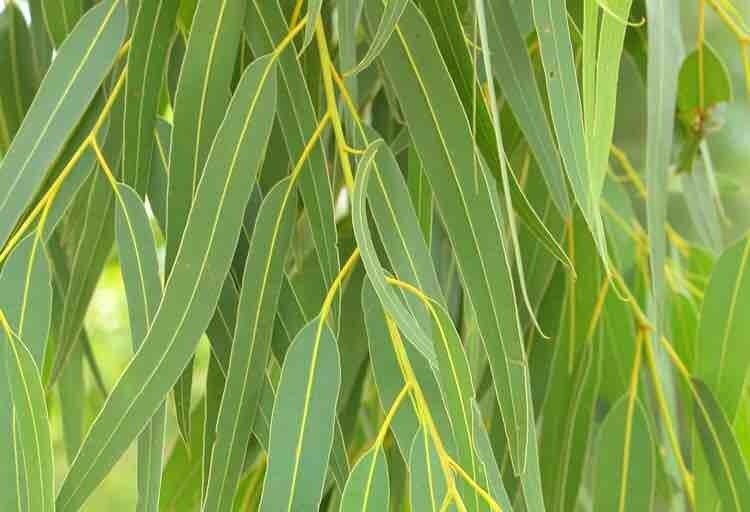
A Nilgiri oil defect can enter before the still is charged, not only during distillation. “Nilgiri oil” is a trade name; identify the species and plant part because Eucalyptus globulus leaf is the conventional cineole-rich reference, while E. radiata, E. smithii and other species produce different profiles.
Trace nilgiri oil quality issues through the process in this order:
1. Inspect leaf and branch preparation. Record leaf age, moisture condition, harvest-to-distillation time, storage ventilation and whether the charge contains intact leaf, shredded leaf, bark or mixed biomass. Over-dried or long-stored leaves lose volatile constituents before entering the still.
2. Remove contamination before loading. Bark, soil and foreign plant material can add colour, sediment or an off-odour. Confirm the botanical identity and plant part against the batch record.
3. Check steam distillation controls. Record steam pressure, steam rate, charge loading and contact through the plant bed. Poor chopping, excessive compression, channeling or inadequate contact leaves oil-bearing tissue unrecovered; excessive steam can carry water and fine solids forward.
4. Inspect condensation. Confirm condenser capacity, cooling performance and outlet flow. Poor heat transfer can carry oil into the condensate instead of the collection system.
5. Check oil-water separation. Insufficient residence time leaves oil in the water phase and can create a persistent emulsion. A clear separator is not proof of complete recovery.
6. Filter the separated oil. Fine filtration removes solids, but it cannot repair a damaged aroma or recover oil already lost in the still.
7. Store and pack correctly. Use clean, compatible drums and closures, then protect the oil from water ingress, heat, light and excess headspace. The process ends only after packing controls are verified.
How to investigate a sudden fall in oil yield
A sudden yield loss usually starts with the still, charge or condenser—not a new botanical source. Begin eucalyptus oil troubleshooting with the equipment and batch record.
- Check still doors, gaskets, valves and pipe joints for steam leaks.
- Inspect the plant bed for blockage, channeling and compacted material that prevents steam contact.
- Confirm charge weight, chopping size, moisture condition and loading height against the validated batch record.
- Verify steam pressure and flow at the still, not only the boiler setting.
- Inspect condenser capacity, cooling-water temperature and outlet flow.
- Measure oil retained in the separator; check whether the water outlet is cloudy or strongly aromatic.
Inadequate chopping leaves oil-bearing tissue inaccessible. Excessive compression creates uneven steam flow, while short distillation leaves recoverable oil in exhausted leaves; excessive duration adds water and harsh notes without useful yield gain.
| Fraction | What it may indicate | Check |
|---|---|---|
| First fraction | Higher volatile content | Compare aroma and GC profile |
| Later fractions | Diluted aroma or altered composition | Review collection cut points |
| Condensate | Oil loss from flooding or poor heat transfer | Inspect cooling and separator performance |
For eucalyptus oil manufacture, hold the raw-material lot constant and change one factor per trial: charge size, chopping, steam rate, duration, condenser temperature or separator residence time. Record yield, water content, appearance and GC composition for every run. This gives nilgiri oil for problems a traceable process explanation instead of an unsupported source change.
What colour, odour, haze and water reveal about the process
A burnt, smoky, metallic or solvent-like odour is a process alarm, not a normal variation to hide by blending. Abnormal colour can point to overheated plant material, dirty still internals, boiler or heat-exchanger carry-over, contaminated drums, cleaning chemicals, or an incompatible hose or gasket.
1. Compare the appearance and odour with a retained reference, then isolate the source. Check samples from the leaf, first condensate, separator and final drum. Sediment usually indicates fine plant solids or dirty equipment. A weak cineole odour can follow species variation, over-drying, excessive steam, poor contact time or uncontrolled fraction collection.
2. Treat sour notes as a separate investigation. Test for water, microbial contamination in retained condensate, oxidised material and unsuitable storage. Haze or a persistent emulsion indicates incomplete separation, excessive steam carry-over or condenser problems; do not release the batch because it looks clear.
3. Measure water by Karl Fischer when low-level control matters, and check for free water after settling. Visual inspection alone misses dissolved or finely dispersed water, which can cause density drift, corrosion and contamination in dosing equipment. These checks belong in any eucalyptus oil troubleshooting record for recurring nilgiri oil quality issues.
4. Separate production damage from storage deterioration. Heat, direct light, oxygen, large headspace and water ingress create a harsher oxidised odour. Use full drums where practical, low-headspace packing, compatible closures, light protection and a defined storage period. Do not blend a burnt or solvent-like batch until retained samples identify the source.
How to prove whether a suspect batch is out of profile
Prove a suspect batch against its traceable history and complete chemical fingerprint, not a single cineole result. Quarantine the drum immediately and preserve the evidence behind it.
1. Record the batch number, production date, raw-material lot and distillation record. Keep the retained sample. Before opening multiple containers, document appearance, colour, odour and any free water.
2. Measure specific gravity, refractive index and optical rotation as screening checks. These do not prove identity: adulterants and synthetic 1,8-cineole-rich material can be adjusted to fit simple physical-constant ranges.
3. Test the complete volatile profile by GC-FID or an equivalent validated method. Use GC-MS when a peak’s identity is uncertain. Compare 1,8-cineole with an agreed botanical reference, not an unsupported universal limit.
4. Treat a low cineole result as a finding, not proof of adulteration. Eucalyptus species, leaf maturity, harvest season, wilting time, poor fraction control, blending and degradation can all lower it. High cineole with unusually depleted minor-terpene peaks points toward rectification, fractionation or added synthetic cineole.
5. Request the raw chromatogram, reference profile and batch traceability, not merely a percentage on a certificate. For a disputed high-value lot, stable-isotope analysis adds an orthogonal authenticity check.
6. Address other Nilgiri oil quality issues through risk-based testing: water, pesticide residues, heavy metals, cleaning-agent carry-over and packaging extractables. Apply these checks when the risk assessment or end use requires them.
What to require before approving an eucalyptus oil supplier in Ahmedabad
Approve routine supply only after batch qualification; an eucalyptus oil supplier in ahmedabad is not qualified by regional availability alone.
1. Request a batch dossier containing the botanical name, plant part, origin, harvest date, distillation date, batch number, net quantity, raw GC chromatogram, 1,8 cineole result, specific gravity, refractive index, optical rotation, water result and packaging specification.
2. Confirm whether the material is whole native leaf oil, rectified, redistilled or fractionated. A high cineole assay does not prove the aroma balance of native oil, and unusually simple minor peaks deserve investigation for fractionation or added synthetic cineole.
3. Put acceptance limits and named test methods in the purchase specification. Cover GC profile, physical constants and water, plus pesticide residues, heavy metals, cleaning chemicals and drum liner extractables when your formulation makes those risks relevant.
4. Require a retained reference sample and a written policy for failed batches. Define who quarantines the lot, which records and tests are reviewed, and whether reprocessing is allowed; Shanti Aromatics can be evaluated against this evidence rather than location or a certificate alone.
5. During trials, hold the raw material lot constant and change one variable at a time, such as charge size, steam rate, distillation time, condenser temperature or separator residence time. Record yield, appearance, water and GC composition, then release, technically justify reprocessing, or reject with a traceable reason.
This makes eucalyptus oil troubleshooting a documented decision.
Related product
 | ESSENTIAL OIL ₹1200 We are manufactured of eucalyptus oil IP /Bp MOQ : 25 kg View product → |
Frequently asked questions
Where can a Nilgiri oil defect enter the manufacturing process?
A defect can begin with misidentified species, unsuitable plant material, excess moisture, contamination or poor storage before distillation. Check the botanical name, plant part, harvest condition, charge records and still cleanliness.
How do you investigate a sudden fall in eucalyptus oil yield?
Reconcile fresh charge weight, plant moisture, recovered oil mass and distillation time. Then check chopping, steam flow, condenser performance, leaks, oil-water separation and residue left in the spent material.
What do colour, odour, haze and water reveal about eucalyptus oil?
A colour shift can indicate oxidation or contamination, an unfamiliar odour can indicate a different species or degradation, haze can indicate suspended material or incomplete separation, and water points to condensation or poor drying.
How can you prove a suspect eucalyptus oil batch is out of profile?
Match the batch against its specification and reference sample, then confirm identity and composition with documented testing such as gas chromatography. Review the batch number, sample chain, COA and retained sample before rejecting it.
What should you require before approving an eucalyptus oil supplier in Ahmedabad?
Request the botanical species and plant part, manufacturing and traceability records, batch-specific COA, GC composition profile, physical specifications, retained-sample policy and evidence that the delivered sample matches the approved profile.