A quotation for lavender oil is not technically meaningful until the botanical species, production method, analytical limits, and intended application are fixed. By the end, you will have a practical specification and procurement checklist for comparing batches, interpreting a COA, and approving bulk material for manufacture in Mumbai.
Key takeaways
- Specify Lavandula species and chemotype before comparing supplier quotations.
- Set numeric identity and purity limits before approving a lavender oil batch.
- Match COA results to the oil’s intended finished-product use.
- Control oxygen, light, temperature, packaging, and storage to limit oxidation.
Define the Lavender Oil You Are Actually Buying
“Lavender oil” is not one raw material. For lavender oil manufacture, identify the botanical species and chemotype before you compare quotations; an origin label such as Italy describes geography, not oil identity.
| Type | Botanical name | Typical profile and procurement risk |
|---|---|---|
| True lavender | Lavandula angustifolia | Higher linalyl acetate and linalool; lower camphor and 1,8-cineole |
| Lavandin | Lavandula × intermedia | More camphor and usually stronger, sharper odour; hybrid material |
| Spike lavender | Lavandula latifolia | Higher 1,8-cineole and camphor; different fragrance behaviour |
Your lavender oil for manufacture specifications should define the raw material in this numbered request:
- State the botanical name, plant part, country and region of origin, harvest season, and supplier-declared chemotype.
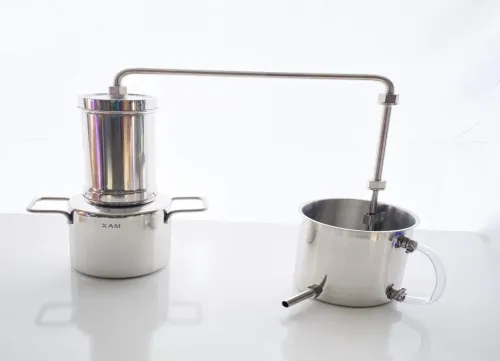
- State whether the oil is steam-distilled or produced by another process, plus distillation duration, steam-pressure range, condenser method, and whether first and later fractions are separated.
- Request the batch number, production date, retest or best-before date, appearance, odour, and packaging format.
- Require batch GC-FID data for linalool, linalyl acetate, terpinen-4-ol, camphor, and 1,8-cineole, not a generic “100% pure” statement.
Steam-distilled does not prove authenticity: raw material, fraction handling, and distillation conditions change the result. Ask whether additives or antioxidants are present, require disclosure, and reference the applicable edition of ISO 3515 for Lavandula angustifolia.
Set Numeric Acceptance Limits for Identity and Purity
A batch sheet needs numeric limits, not “100% pure lavender oil.” Align the limits with the applicable edition of ISO 3515 for Lavandula angustifolia, then require the laboratory method and result for every lot.
| Property | Practical acceptance limit | Verification |
|---|---|---|
| Appearance and colour | Clear liquid; colourless to pale yellow or yellow | Visual inspection against retained sample |
| Odour | Characteristic lavender; no rancid, burnt, solvent or stale note | Organoleptic comparison by trained assessor |
| Relative density at 20°C | 0.878–0.892 | ISO 279 or validated equivalent |
| Refractive index at 20°C | 1.458–1.470 | ISO 280 or validated equivalent |
| Optical rotation at 20°C | −12° to −7° | Polarimetry |
| Solubility | Clear solution in 4 volumes of 70% ethanol | Dilution test at 20°C |
Treat these as purchase limits to confirm against the specified ISO edition, not as a substitute for naming the botanical source. A lot labelled Italy still needs Lavandula angustifolia, plant part, steam-distillation process, harvest or production season, and origin.
Use batch gas chromatography, not one marker, to verify identity. Review the relative pattern of linalool, linalyl acetate, lavandulol, lavandulyl acetate, cis-β-ocimene, terpinen-4-ol, 1,8-cineole and camphor; set constituent ranges against the chosen standard and approved reference chromatogram.
Require these release controls:
- Batch-specific GC, density and refractive-index results, not a generic data sheet
- Retained sample and approved-reference odour comparison
- Antioxidant declaration, no undisclosed additives, storage limit and retest date
- Lot traceability and written change notification for source, process or formulation
Read the COA and Match It to the Finished-Product Use
Approve a lot only when its COA, safety documents, and declared botanical identity fit the finished product’s route of use. Your lavender oil specifications should match the intended performance, not merely a passing density or refractive-index result.
Check the COA for botanical name, plant part, extraction method, origin, batch number, production date, retest date, appearance, odour, physical constants, and full GC-FID composition. A report showing only density and refractive index cannot reliably expose substitution. Confirm that Lavandula angustifolia is not being replaced by camphoraceous lavandin, especially where a softer odour matters.
- Fragrance: require an up-to-date SDS and applicable IFRA conformity information for the product category. IFRA documentation does not prove botanical identity or purity.
- Cosmetics: assess leave-on or rinse-off exposure, allergen labelling, oxidation risk, and the finished formula’s safety substantiation. Natural status does not make oxidised oil suitable for skin.
- Soap and candles: lavandin can suit cost-sensitive, high-impact profiles, but confirm odour after saponification or heating rather than judging the neat oil alone.
- Cleaners: prioritise odour stability, compatibility, and worker-safety controls; confirm whether the claim is fragrance-only or antimicrobial.
- Aromatherapy: require the specified botanical source, composition, SDS, and evidence supporting any therapeutic claim.
- Food flavouring: accept the lot only with food-grade documentation, permitted-use confirmation, contaminant controls, and India-specific labelling review.
For India, verify the regulatory category before release. Record these lavender oil for manufacture specifications in the approval decision, including intended dosage, packaging condition, antioxidant disclosure, and retest date. A COA approves the raw-material lot; it does not approve your finished product.
Control Formulation, Oxidation, Packaging, and Storage
At receipt, quarantine each lot until seal, container condition, batch number, odour, appearance, and COA match the approved specification. Record receipt temperature and retain a sealed reference sample. Reject leaking, water-contaminated, or repeatedly opened containers; a passing original GC profile cannot correct oxidation that developed during transit.
Include these controls in the lavender oil manufacture specification.
- Use tightly closed, chemically compatible lacquered aluminium, stainless-steel, or suitable fluorinated or HDPE containers with minimal headspace.
- Store in a cool, dry, dark warehouse away from steam, windows, and reactive materials. Agree Mumbai shipment and warehouse temperature limits, container size, and maximum opening period in the purchase contract.
- Set a retest date and recheck odour, colour, and oxidation indicators after prolonged storage.
During transfer, use clean, dry, closed equipment and minimise air exchange; never return unused oil to the original drum. Add it within the validated temperature window for the finished product, then close the vessel promptly.
Request an antioxidant declaration when one is used and prohibit undisclosed additives. Oxidation can increase sensitising oxidation products even when the original GC profile passed; natural does not mean oxidation-stable or suitable for leave-on skin products.
Confirm whether the Indian use is cosmetic, food or flavour, therapeutic, or household fragrance. Each category changes safety substantiation, labelling, and manufacturing records; an SDS and IFRA conformity document do not replace finished-product safety assessment.
Write a Comparable Purchase Specification for Mumbai Supply
Ask for like-for-like bids: bulk lavender oil in Mumbai requires a specification that removes ambiguity before price enters the discussion. Your lavender oil manufacture specifications should name the botanical source (Lavandula angustifolia, lavandin, or L. latifolia), chemotype, plant part, steam-distillation method, country of origin, harvest or production season, and intended use.
- State annual demand, trial quantity, and each batch quantity.
- Describe the target odour against an approved reference sample.
- List permitted additives and prohibit solvents, extenders, or synthetic reconstitution where required.
- Specify packaging size and material, headspace, light protection, and maximum transport or storage temperature.
- Attach required COA tests, including density, refractive index, optical rotation, organoleptic checks, and batch GC.
- Define sampling: number of containers, retained sample quantity, and approval before release.
- Set rejection limits for identity, odour, contamination, damaged seals, and results outside specification.
Send this identical brief to SHANTI AROMATICS and other bidders; otherwise different grades can appear comparable on a quotation sheet.
Require documents that prove the quoted lot rather than a generic product brochure:
- Batch-specific COA with lot number, test methods, results, and test date.
- SDS in the destination market’s format, plus allergen, botanical, and country-of-origin declarations.
- Pesticide, heavy-metal, microbial, or other contaminant results when your product category or customer requires them.
- Retained-sample policy, traceability records, and written change-notification terms.
- Export regulatory information, including REACH responsibilities when the substance, tonnage, importer role, and destination trigger them.
Related products
 | ESSENTIAL OIL ₹1800 COA OF LAVENDER OIL ----------------------------------------------------------------------------------------------- TEST SPECIFICATION RESULT... View product → |
 | ESSENTIAL OIL ₹2500 Essential oil View product → |
Frequently asked questions
Why must you specify the lavender species and chemotype?
Lavender oil is not one uniform raw material. Species and chemotype affect its composition, odour, performance, and suitability for a finished product; an origin such as Italy identifies geography, not oil identity.
What should a lavender oil purchase specification include?
Define the botanical name, plant part, extraction method, origin requirements, identity and purity limits, testing documents, packaging, storage conditions, and batch acceptance process.
How should you use a lavender oil COA?
Match the COA to the exact batch and purchase specification, then check identity results, purity markers, physical properties, test methods, dates, and the intended finished-product application.
How do formulation and storage affect lavender oil quality?
Limit exposure to oxygen, light, heat, and moisture. Choose compatible, sealed packaging and set handling and storage controls that reduce oxidation before the oil enters production.