The phrase “lavender oil” can describe materials with different botanical identities, odour profiles, analytical results and manufacturing costs. By the end, you will be able to match true lavender, lavandin, extracts and synthetic alternatives to your application, then approve a bulk lot using documents and receiving checks that reveal whether the supplier’s material is fit for production.
Key takeaways
- Choose Lavandula angustifolia for softer floral character and higher linalyl acetate.
- Compare linalool, linalyl acetate, camphor, and 1,8-cineole before ordering bulk oil.
- Test identity, purity, aroma, density, and refractive index on every delivered lot.
- Use lavandin when yield, cost, and a stronger camphoraceous profile fit the formulation.
Start with the botanical identity, not the product name
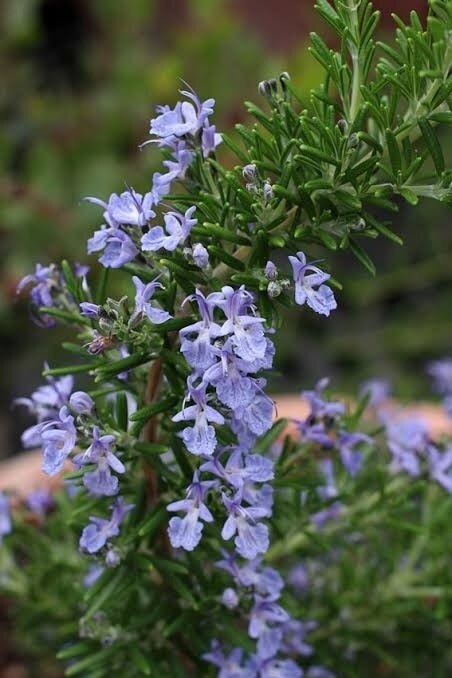
Lavandula angustifolia is the first botanical identity to compare for an industrial formulation. It is true lavender, usually steam-distilled from flowering tops, with a softer floral profile and higher linalyl acetate than lavandin. Lavandula × intermedia is a hybrid, often more camphoraceous, higher-yielding and less costly. Do not treat their oils as interchangeable.
| Option | Identity and production | Best comparison point |
|---|---|---|
| True lavender oil | Lavandula angustifolia; usually steam-distilled flowering tops | Finer floral odor, linalool and linalyl acetate balance |
| Lavandin oil | Lavandula × intermedia; steam-distilled biomass | Stronger camphor character, higher output, economical functional fragrance |
| Lavender absolute or CO₂ extract | Extracted rather than steam-distilled | Richer, heavier odor; different solvent, residue and documentation requirements |
| “Italian lavender” | A claimed origin, not a botanical grade | Confirm species, plant part, cultivation status and country on the documents |
For lavender oil for manufacture, industrial buyers in Ghaziabad should compare botanical name, extraction method, origin and actual batch data before comparing price. Ask whether “Itly” means Italian origin, a product name or a spelling error; it proves nothing by itself.
Review linalool, linalyl acetate, camphor, 1,8-cineole and terpinen-4-ol results, then check allergen declarations for the intended market. The right lavender oil options depend on the finished product’s odor target, cost limit and compliance route.
Specify the analytical profile before requesting lavender essential oil bulk
Approve a lavender essential oil bulk lot only when the purchase specification and COA identify the material, define its limits, and connect every result to the shipped batch. “Lavender oil” alone cannot distinguish true lavender from lavandin.
1. Specify Lavandula angustifolia Miller, plant part used, steam-distillation method, country or permitted origin range, cultivation status, and organic status if required. If the material is Lavandula × intermedia, label it as lavandin; do not accept an ISO 3515:2002 claim for an unqualified alternative.
2. State the intended application, pack size, container and closure system. Approve metal or compatible fluorinated/polymer-lined packaging only after checking the actual oil; an unverified plastic drum can swell, leak, absorb odour or release extractables.
3. Require the COA to show issue date, supplier batch number, shipped-lot reference, test methods, specification limits and actual results for appearance, odour, relative density, refractive index and optical rotation.
4. Require a GC-MS report with identified and quantified linalool, linalyl acetate, camphor, 1,8-cineole and terpinen-4-ol, plus ester content. One physical constant cannot establish authenticity because adulterated oil can imitate an expected value.
5. Request the original lot report, retained sample, shelf life and storage conditions. Match the drum label, invoice, COA and retained sample before release; reject documents that cannot be traced to the delivered lot.
Match the oil to the product and test the delivered lot
A soap base that needs forceful, camphoraceous impact may perform better with lavandin than true lavender; a fine fragrance or premium skin-care product usually needs the softer profile of Lavandula angustifolia.
For lavender oil for manufacture, industrial buyers in Ghaziabad should match the oil to the finished product’s odor, regulatory use level, and cost before approving a drum.
| Option | Best fit | Main risk |
|---|---|---|
| True lavender oil, Lavandula angustifolia | Fine fragrance, facial care, premium personal care | Higher cost and gentler impact |
| Lavandin oil, Lavandula × intermedia | Soap, detergent, floor cleaner, air care | Camphor and 1,8-cineole can overpower the formula |
| Oxidised or poorly stored oil | No deliberate use | Altered odor and increased sensitisation concern |
Run a bench trial at the intended dosage, then compare the oil against an approved reference in the finished base. Check odor after dilution and after heat exposure; an oil that smells acceptable neat can become harsh in soap or unstable in a household cleaner.
Before accepting the delivered lot, verify:
- The drum seal, batch number, botanical name, plant part, extraction method, origin, and storage condition.
- The COA’s issue date, test methods, specification limits, actual results, and match to the shipped batch.
- Linalool, linalyl acetate, camphor, 1,8-cineole, terpinen-4-ol, refractive index, specific gravity, and optical rotation.
- The batch allergen declaration for linalool and limonene, especially for cosmetics.
- Appearance, odor, and a retained sample; reject unexplained deviation from the approved standard.
Know when a lavender alternative gives better manufacturing control
Compare lavender oil options by the control your formula needs, not by the word “lavender” on a quotation. ISO 3515:2002 applies to Oil of lavender (Lavandula angustifolia Miller); lavandin, spike lavender and blends need separate identification.
| Option | What it means | Choose it when |
|---|---|---|
| Fragrance oil | A compounded fragrance containing natural and/or synthetic materials | You need a finished odor, fixed cost and strong batch consistency for detergent, soap, air-care or household products |
| Lavender absolute | A solvent extract with heavier, richer constituents than steam-distilled oil | You need depth, warmth and tenacity in fine fragrance; check colour, residual-solvent documents and solubility before scaling |
| Synthetic molecules | Defined materials such as linalool or linalyl acetate | You need tight composition control, predictable supply or a targeted odor effect; verify allergen and market documentation |
| Pre-blended accord | A prepared mixture built to a specified lavender profile | You need the same sensory result across variable natural lots and lack time to rebalance each batch |
| Lavandin oil | Steam-distilled Lavandula × intermedia, not true lavender | You need stronger impact and lower cost in soap, detergent or air-care, and accept its more camphoraceous character |
Choose true lavender when a softer, rounded profile supports premium personal care or fine fragrance. Do not substitute a fragrance oil if the finished label or customer specification requires lavender essential oil.
For cosmetics, request a batch-based allergen declaration covering linalool and limonene. Oxidation products can create contact-sensitisation concerns, so a generic “lavender oil” statement is insufficient. Test the alternative in the finished base; a cheaper material that forces reformulation is not cheaper.
What to verify when choosing a lavender oil manufacturer in Ghaziabad
A local address does not prove lavender oil manufacture. A lavender oil manufacturer in Ghaziabad should show where the biomass is distilled, not only where oil is filled or blended.
| Operation | Evidence to request | What it means |
|---|---|---|
| Local distiller | Distillation records, biomass supplier or farm details, still capacity, distillation date, and batch-to-lot traceability | The company actually processes lavender |
| Blender | Formula, component lot numbers, and blending record | The finished oil combines purchased materials |
| Repacker | Original supplier name, unopened incoming lot, and repacking record | Local packaging is not local production |
| Trader | Manufacturer’s invoice, original COA, and shipment traceability | The seller does not control manufacture |
Treat Lavandula angustifolia steam-distilled oil and Lavandula × intermedia lavandin as different materials. A supplier must not call lavandin, spike lavender, a solvent extract, or a CO2 extract “ISO 3515 lavender oil” without qualification.
Before placing a repeat order, request:
- A batch-specific COA with issue date, batch number, test methods, specification limits, and actual results
- Botanical name, plant part, extraction method, country or permitted origin range, and cultivation status
- Refractive index, specific gravity, optical rotation, ester content, linalool, linalyl acetate, camphor, 1,8-cineole, and terpinen-4-ol results
- The original distiller’s lot report and a document linking it to your shipped batch
- Shelf life, storage conditions, packaging details, and an allergen declaration based on that batch
When reviewing SHANTI AROMATICS or any other supplier, ask these questions before treating a repeat COA as proof of consistent manufacture. For cosmetic manufacture, confirm linalool and limonene declarations against the destination market’s rules.
Related products
 | ESSENTIAL OIL ₹2500 Essential oil View product → |
 | ESSENTIAL OIL ₹1800 COA OF LAVENDER OIL ----------------------------------------------------------------------------------------------- TEST SPECIFICATION RESULT... View product → |
Frequently asked questions
What is the difference between Lavandula angustifolia and Lavandula × intermedia oil?
Lavandula angustifolia is true lavender, usually steam-distilled from flowering tops, with a softer floral profile and higher linalyl acetate. Lavandula × intermedia is a hybrid with a more camphoraceous profile, higher yield, and lower cost. Do not substitute one without checking the formulation.
Which analytical details should you specify when buying lavender essential oil in bulk?
Request the botanical name, plant part, extraction method, country or region of origin, batch number, and a certificate of analysis. Compare linalool, linalyl acetate, camphor, and 1,8-cineole levels, along with density, refractive index, optical rotation, colour, odour, and any adulteration or solvent-residue results.
How should industrial buyers test a delivered lavender oil lot?
Match the drum label and certificate of analysis to the purchase specification, then inspect the seal, batch number, colour, and odour. Test identity and key physical values in your laboratory or through an independent laboratory before releasing the lot into production.
When is lavandin a better manufacturing choice than true lavender?
Choose lavandin when your product needs a stronger camphoraceous note, higher oil yield, lower raw-material cost, or consistent supply at scale. Use it only after confirming that its aroma and analytical profile suit the finished product.
What should you verify when choosing a lavender oil manufacturer in Ghaziabad?
Ask for a current certificate of analysis, botanical and extraction details, batch traceability, sample approval procedures, packaging specifications, storage conditions, and a process for handling out-of-specification lots. Confirm that the supplier can provide the same agreed profile across repeat orders.