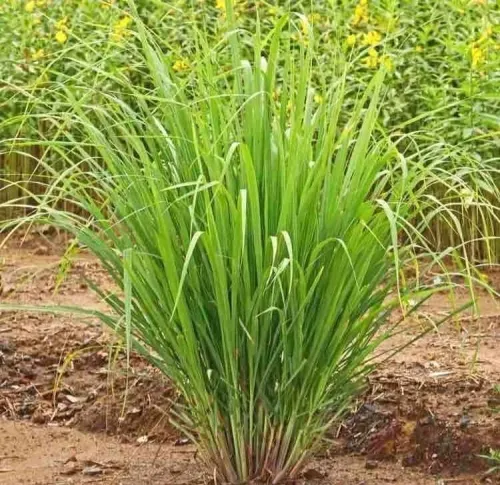
A product name, a low bulk price, and a generic certificate do not tell you whether an oil is suitable for your production line. Before placing an order, you need to verify its botanical identity, composition, processing history, batch traceability, packaging, and commercial terms.
Key takeaways
- Name Cymbopogon flexuosus or Cymbopogon citratus on every quotation and COA.
- Set citral, density, refractive index and acceptance limits before ordering.
- Match the sample, COA, batch number and delivered drums before production use.
- Confirm packaging, storage temperature, compliance documents and replacement terms in writing.
Confirm the Botanical Identity and Production Method
“Lemongrass oil” identifies no single material. Your quotation and certificate of analysis must name the species: Cymbopogon flexuosus is the usual Indian East Indian lemongrass oil, while Cymbopogon citratus is a different commercial oil. Do not accept one as a substitute without formulation-team approval.
Ask the supplier to state:
- The botanical name, country and region where the raw material was grown.
- The plant part used, such as leaves or foliage.
- Whether production used steam distillation, hydrodistillation, solvent extraction, or another process.
- Whether the oil was rectified, fractionated, blended, or diluted after extraction.
- The citral assay, reported as combined neral and geranial by GC-FID or GC-MS.
- Whether the quoted material is a distilled essential oil, a compounded fragrance, or an aroma chemical such as isolated citral.
This distinction matters because lemongrass oil manufacture can describe botanical distillation, essential-oil compounding, or aroma-chemical production. A “100% pure” statement does not identify the material or prove its composition.
Before approving a lemongrass oil manufacturer in Ghaziabad, request a representative pre-shipment sample, then compare it with the first production lot using the same sensory and GC methods. Record the botanical name and production route on your purchase specification so a citral-rich blend, citronella oil, or lemon oil cannot arrive under the same product name.
Set a Specification That Can Accept or Reject a Batch
Reject a batch when its measured values fall outside the approved range, even if the supplier calls it “100% pure.” For lemongrass oil for manufacture buying details in Ghaziabad, put the botanical name, leaves or other plant part, country and region of origin, steam-distillation method, batch number, manufacture date and retest date on the specification and batch COA.
| Parameter | Test method | Acceptance rule |
|---|---|---|
| Botanical identity | Document review; confirm on COA | Cymbopogon flexuosus or approved Cymbopogon citratus; never accept an unnamed substitute |
| Citral | GC-FID or GC-MS; report neral plus geranial | Use a numeric approved range, such as 75–85% for an accepted C. flexuosus reference; reject a single “purity” claim |
| Refractive index | ISO 280 at 20°C | Set and enforce the approved range, commonly about 1.483–1.489 |
| Relative density | ISO 279 at 20°C | Set the approved range, commonly about 0.885–0.905 |
| Optical rotation | ISO 592 | Record the value and compare it with the retained reference sample |
| Appearance and odour | Visual and sensory comparison | Clear, pale-yellow to yellow oil with the approved odour; reject sediment or a changed profile |
- Ask the supplier to state whether the material is steam-distilled, hydro-distilled, solvent-extracted or rectified. A fragrance blend or citral-rich manufactured material needs a separate specification.
- Require batch-specific results, not a generic product sheet, and test a pre-shipment sample against the first lot using the same sensory and GC methods.
- Record plant identity, extraction details and test limits in the purchase order so a later shipment cannot be replaced with citronella oil, lemon oil or an unapproved blend.
Use GC Data to Check Identity, Citral and Adulteration
A genuine lemongrass oil has a citral-led GC profile, not merely a passing density or refractive-index result. Confirm the quoted botanical name: Cymbopogon flexuosus is the usual Indian East Indian lemongrass, while Cymbopogon citratus is a different commercial material and needs formulation approval before substitution.
Ask for these checks before accepting a batch:
- Request a full GC-FID or GC-MS chromatogram with the identification table, retention markers, and method reference. A single “100% pure” statement proves nothing.
- Require citral as the combined percentage of neral and geranial. Compare both the total result and their individual balance with your agreed specification.
- Look for a lemon-oil pattern dominated by limonene, or a citronella-type pattern containing prominent citronellal, citronellol, and geraniol. Those profiles do not establish genuine lemongrass oil.
- Reject unexplained peaks, an unusually simplified citral profile, or a chromatogram inconsistent with an authenticated reference; these findings can indicate isolated or synthetic citral, carrier-oil dilution, or another terpenic blend.
- Ask for allergen and sensitisation information when the oil will contact skin. Citral can affect fragrance-allergen labelling and the product safety assessment.
For lemongrass oil bulk, compare the supplier’s chromatogram with a retained reference sample and the declared origin, plant part, and distillation method. GC data is evidence, not an absolute guarantee, so investigate any abnormal peak pattern before approving a cheaper substitute.
Link the COA, Sample and Delivered Drums to One Batch
A pre-shipment sample is a reference, not proof that the delivered oil matches it. Require the sample label, COA and purchase order to carry the same product name, botanical identity, batch number and specification revision. Put these lemongrass oil supply details in writing before dispatch.
- Sample identification: supplier batch number, sampling date, seal number and quantity drawn.
- COA identification: batch number, manufacturing date, test dates, test methods and the issuing laboratory or responsible party.
- Shipment identification: drum numbers, net kilograms per drum, dispatch date, invoice number and transport document.
- Traceability records: manufacturing or dispatch location, blending record if applicable, and the retained-sample reference.
- Acceptance terms: a failed GC result, sensory check or specification value triggers hold, investigation and replacement.
On arrival, photograph the intact seals and drum labels before opening. Check that every drum number belongs to the COA batch; reject an unexplained mismatch rather than relabelling it.
Draw a representative composite sample from the received drums using a clean, documented procedure, then compare its odour, appearance and GC profile with the pre-shipment sample under the same test conditions.
Keep a sealed retained sample from the received lot, record the lot number opened for production, and request the supplier’s retained-sample policy. Store drums tightly closed, away from heat and direct sunlight, because oxidation, evaporation and colour or odour drift can make a later sample differ from the oil originally approved.
Agree Packaging, Storage, Compliance and Supplier Terms Before Ordering
A low price for lemongrass oil bulk is meaningless until the purchase order defines what you can reject. Put the botanical name, net kilograms, delivery point, lead time, payment terms, and intended use—fragrance, cosmetic, food, or industrial—into the quotation and contract.
1. Require the supplier to state Cymbopogon flexuosus or Cymbopogon citratus on both the quotation and COA, along with raw-material origin and the extraction method.
2. Set acceptance limits for combined neral plus geranial by GC-FID or GC-MS, sensory deviation, water or sediment, and leakage. Record the sampling method and name the independent laboratory and method for dispute testing.
3. Order a representative pre-shipment sample, then compare the first production lot with it using the same sensory and GC procedure. Do not approve a substitute, citronella oil, lemon oil, or citral-rich blend under the same product name.
4. Specify net kilograms, not drums or litres. State the drum tare, fill weight, permitted quantity variance, freight responsibility, delivery address in Ghaziabad, and the remedy for shortage or late delivery.
5. Approve packaging in writing: compatible lined metal or suitable virgin plastic, sealed closure, intact tamper evidence, and protection from heat, light, and excessive headspace. Reject leaking, corroded, unlined, or recycled containers unless compatibility is documented.
6. Request the COA, SDS, technical data sheet, country-of-origin statement, and end-use declarations before dispatch. Confirm storage conditions, shelf-life basis, and whether the supplier will replace or credit a failed batch.
These checks give a lemongrass oil manufacturer in ghaziabad a clear commercial standard to meet. SHANTI AROMATICS should be assessed against the same documented lemongrass oil supply details as every competing supplier.
Related product
 | Lemongrass oil ₹1100 CERTIFICATE OF ANALYSIS OF LEMONGRASS OIL Product : Lemongrass oil Colour : Pale yellow to orange brown liquid . View product → |
Frequently asked questions
Which botanical identity should you specify when buying lemongrass oil?
Specify the full species name: Cymbopogon flexuosus for Indian East Indian lemongrass oil or Cymbopogon citratus for a different commercial oil. Do not approve substitution without formulation-team approval.
What should a lemongrass oil batch specification include?
Define measurable acceptance limits for botanical identity, appearance, odour, density, refractive index, optical rotation, citral content, packaging and shelf-life information before placing the order.
How can GC data help verify lemongrass oil?
Review the gas chromatogram and peak table for the expected citral profile, including geranial and neral, then compare the results with your agreed specification to identify identity problems or adulteration.
How do you connect a COA, sample and delivered drums to one batch?
Record the sample reference, COA number, batch or lot number, production date and drum markings, then check those details against the delivery documents and labels.